Archives


What Is an Eco Tote Bag and Why Choose It?

An Eco Tote Bag is more than a reusable carrier for groceries, books, or daily essentials. It represents a practical attempt to reduce dependence on disposable bags. In real use, a sturdy tote can travel from a morning market to a crowded office, carrying vegetables, a laptop, and a water bottle without tearing. That durability matters because reuse gives the bag a clearer environmental purpose.

However, “eco” should not be accepted without questions. Materials such as organic cotton, recycled polyester, hemp, and recycled cotton each have different environmental effects. Organic cotton may reduce certain agricultural chemicals, but it still requires land and water. Recycled polyester can make use of existing plastic, yet it may release microfibers during washing. A responsible choice depends on material sourcing, manufacturing conditions, product lifespan, and disposal options.

Small details deserve attention. Check the stitching around the handles. Look for washable fabric and practical weight limits. Reliable brands should explain their materials, certifications, and supply chains instead of using vague green claims. Independent standards can offer useful evidence, although no label proves that a product has zero impact. Nothing is perfect.

Choosing an Eco Tote Bag can therefore be a thoughtful habit rather than a simple purchase. Use one repeatedly, repair it when possible, and avoid collecting more bags than necessary. My own preference is a comfortable, durable design that suits everyday routines. Still, convenience can influence judgment. A bag is only a better option when it is genuinely used.

What Is an Eco Tote Bag and Why Choose It?

What Defines an Eco Tote Bag: Materials, Reuse, and Design

An eco tote bag is defined by more than a green label. Its materials, expected lifespan, and practical design all matter. Common options include cotton, recycled cotton, hemp, and recycled synthetic fabric. Each has different strengths. Hemp feels firm and can handle regular use, while lightweight cotton folds easily into a coat pocket. Recycled fabrics make use of existing fibers, though their texture and durability vary.

Reuse is central to the idea. A tote that carries groceries, books, or gym clothes several times a week can replace many disposable bags over time. But reuse is not automatic. A thin bag left in a cupboard has little impact. Check the seams, handles, and fabric weight before choosing one. Filled with oranges and a glass jar, a weak handle may stretch or tear. Small details count.

Design affects whether a bag becomes part of daily life. Wide handles sit more comfortably on the shoulder, and a flat base helps keep containers upright. A simple interior pocket can hold keys, but extra layers may add bulk and material. There is no perfect choice. Some sturdy bags take considerable resources to make, so frequent use matters more than appearance alone. Choose a size you will actually carry, and wash it when needed; even that takes water and care.
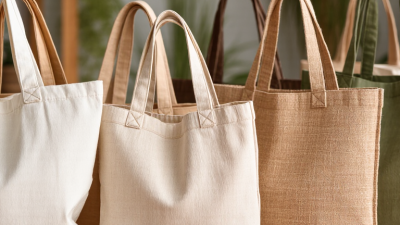
Common Tote Materials: Cotton, Jute, and Recycled Fibers

What Is an Eco Tote Bag and Why Choose It?

An eco tote bag uses materials and production methods designed to reduce environmental pressure. However, “eco” is not a guarantee. Its impact depends on fiber origin, durability, washing, transport, and disposal.

Common Tote Materials: Cotton, Jute, and Recycled Fibers

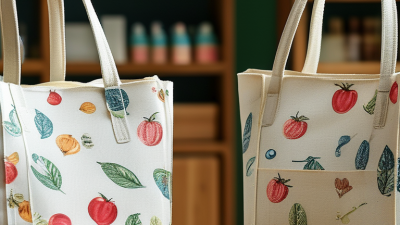
Cotton feels soft and handles daily shopping comfortably. A tightly woven canvas can support books, groceries, and repeated use. Yet conventional cotton may require significant water and pesticides, depending on its growing region. The Textile Exchange 2024 Materials Market Report states that global fiber production reached about 132 million tonnes in 2023. Cotton represented roughly one-fifth of total fiber output. Organic cotton can reduce some chemical inputs, but certification does not remove every environmental cost.

Jute offers a rougher texture and a naturally earthy appearance. It grows quickly and is often cultivated in warm, rainy regions. Its strong fibers suit produce bags and lightweight storage. Moisture remains a weakness. Wet jute can lose shape or develop odor if stored carelessly.

Recycled fibers, including recycled polyester, can use existing plastic waste. The same Textile Exchange report identifies recycled polyester as the largest recycled fiber category. Still, it is not automatically circular. It may shed microfibers, and recycling systems cannot recover every used bag.

A practical check is simple. Examine the seams, handle stitching, and fabric weight. A durable bag used many times may perform better than a fragile bag made from a preferred fiber. That matters. Material labels also need scrutiny, because recycled content percentages can vary and supply-chain evidence may be incomplete.

UNEP Estimate: 5 Trillion Plastic Bags Used Worldwide Each Year

What Is an Eco Tote Bag and Why Choose It?

Every year, people use about 5 trillion plastic bags worldwide, according to the United Nations Environment Programme. That equals millions of thin bags moving through shops, streets, drains, and landfills every minute. Many are used for only a few minutes. Their environmental cost lasts much longer.

An eco tote bag is a reusable carry bag made from materials such as recycled fibers, organic cotton, or responsibly sourced plant fibers. Its value depends on repeated use, not just its label. A strong tote can carry vegetables, books, or a laptop without tearing. A damp cotton bag, however, can develop odors if it is not washed and dried properly. Small details matter.

The OECD’s Global Plastics Outlook reported 353 million tonnes of plastic waste in 2019, while only 9% was ultimately recycled. This figure shows why replacing disposable bags requires more than choosing a different material. A tote should be used many times, repaired when possible, and purchased only when needed. The United Nations Environment Programme also warns that alternatives can create impacts during production. That is an uncomfortable point. “Reusable” does not automatically mean low-impact.

A practical choice includes a sturdy handle, washable fabric, and enough capacity for regular errands. Carrying one in a backpack or beside the front door makes reuse easier. I still forget mine sometimes. That weakness is real, but repeated habits can reduce dependence on single-use plastic bags.

What Is an Eco Tote Bag and Why Choose It? - UNEP Estimate: 5 Trillion Plastic Bags Used Worldwide Each Year

Data Dimension Verified Information Why It Matters
Definition An eco tote bag is a reusable carry bag designed to reduce dependence on single-use shopping bags. “Eco” is not a universally regulated product label, so its environmental value depends on the material, manufacturing process, durability, and actual reuse. A reusable bag is most beneficial when it replaces many disposable bags and remains in use for a long period.
Global plastic-bag use UNEP estimates that approximately 5 trillion plastic bags are used worldwide every year. The scale of consumption increases plastic pollution, waste-management pressure, and resource use.
Common tote-bag materials Typical materials include cotton, recycled cotton, recycled polyester, recycled polyethylene terephthalate (rPET), and polypropylene. Their impacts differ according to raw materials, energy use, water use, production, and end-of-life management. Material selection should be based on durability and intended frequency of use rather than on the word “eco” alone.
Reusable polypropylene bags Polypropylene is a lightweight thermoplastic commonly used for durable reusable shopping bags. It can be recyclable where suitable collection and processing systems exist. Its relatively light weight and durability can support repeated use, but disposal and recycling depend on local facilities.
Cotton tote bags Cotton is a natural plant-based fiber, but cotton cultivation and textile production require land, water, energy, and other inputs. A cotton bag should therefore be reused frequently rather than treated as a single-use item. Natural fiber does not automatically mean low environmental impact; long service life is important.
Recycled-fiber tote bags Bags made with recycled fibers can reduce reliance on virgin raw materials. The actual benefit depends on the recycled content, manufacturing process, product lifespan, and whether the bag can be recovered at the end of its use. Look for clear information about recycled content and use the bag repeatedly to maximize its value.
Durability A well-constructed tote generally has stronger seams, reinforced handles, and a suitable load capacity. Durability is a product-performance characteristic, not a guaranteed result of any particular material. A longer-lasting bag can replace more single-use bags over its lifetime.
Reuse principle The environmental performance of a reusable bag improves as the number of completed uses increases. There is no single reuse number that applies to every bag because production impacts and materials vary. Keep the bag accessible, use it consistently, and avoid acquiring more bags than needed.
Care and maintenance Follow the care instructions, keep the bag dry when appropriate, clean it when necessary, and inspect handles and seams before carrying heavy items. Proper care can extend the useful life of the bag and reduce the need for replacement.
End-of-life management Reuse or repair the bag first. If it can no longer be used, check local textile, plastic, or household-waste guidance because accepted materials and recycling systems differ by location. Correct disposal helps prevent reusable bags from becoming avoidable waste and reduces contamination in recycling streams.
Practical selection checklist Choose a bag that is durable, appropriately sized, easy to carry, washable when needed, made with clearly stated materials, and suitable for repeated use. The most responsible option is usually the bag that meets the need and is used for the longest practical period.

Sources: United Nations Environment Programme (UNEP), “Single-use plastics: A roadmap for sustainability”; United Nations Environment Programme, “Sustainability and Circularity in the Textile Value Chain.” Accessed for general factual context.

UK Environment Agency (2011): Cotton Totes Need 131 Uses

What Is an Eco Tote Bag and Why Choose It?

An eco tote bag is a reusable carrier made from cotton, recycled fibres, or other lower-waste materials. The phrase sounds simple. Yet the material matters. A cotton tote feels sturdy in the hand and can carry vegetables, books, or a laptop without tearing easily. Its environmental value depends on repeated use, not appearance.

According to a 2011 assessment by the UK Environment Agency, a cotton tote may need 131 uses. That figure compares its impact with a single-use plastic bag. It is not a universal rule for every tote. Manufacturing methods, fabric weight, transport, washing, and disposal can change the result. A thick cotton bag may require even more trips before its benefits become meaningful. That detail is easy to miss.

In daily use, I would keep one near the front door and another inside a work bag. Reusing them for weekly shopping makes the target less abstract. Wash them only when needed, preferably with a full load, and air-dry them. Small habits help. However, buying several totes for decoration weakens the purpose. I have made that mistake myself. A reusable product still consumes resources before it reaches the checkout. Choosing one durable bag, repairing a loose handle, and using it for years may be more responsible than collecting attractive alternatives. A stained tote can still carry groceries.

Choosing and Caring for a Tote: Durability, Washing, and Disposal

Choosing an eco tote starts with its fabric and construction. A tightly woven cotton or recycled-fiber bag with reinforced handles usually handles heavier groceries better than a thin, loose weave. Check the seams, handle stitching, and base before buying. A tote is not automatically a greener choice; using it often matters. Keep it near your keys or fold it into a coat pocket. Otherwise, it may stay forgotten in a drawer.

For care, follow the sewn-in instructions because blends and dyes can respond differently to washing. Spot-clean small marks with mild detergent and a damp cloth. When the whole bag needs washing, use a gentle, cool cycle if the label allows, then air-dry it fully. Heat may shrink some fabrics or weaken printed designs. Empty crumbs from the corners, too. They collect faster than you expect.

Tips: Repair a loose seam early with a few sturdy stitches. Avoid overloading the handles; a heavy jar can strain one side. When the tote is worn out, reuse it as a cleaning-rag holder or storage bag. If you cannot reuse it, check local textile collection guidance, since recycling options vary by material and location. A small stain may remain. That's not always a reason to discard it.

What Is an Eco Tote Bag and Why Choose It?

Estimated reuse cycles needed to match the environmental impact of one-use conventional HDPE carrier bags

Choosing and Caring for a Tote

A reusable tote becomes a more sustainable choice when it is used repeatedly. The benchmark below shows that cotton totes require substantially more reuse cycles than lightweight reusable alternatives because cotton production is resource-intensive.

  • Choose a durable bag that can replace many single-use bags.
  • Wash only when needed, preferably with cold water, and air-dry to reduce energy use.
  • Repair worn handles or seams before replacing the bag.
  • At the end of its life, reuse it for storage or cleaning, then follow local textile-recycling or waste rules.

Source: UK Environment Agency, Life Cycle Assessment of Supermarket Carrier Bags and Options for Reuse (2011). Values represent estimated uses required under the study assumptions.

Close
Enter your email address to receive special offers!
linkedin facebook pinterest youtube rss twitter instagram facebook-blank rss-blank linkedin-blank pinterest youtube twitter instagram