2026 How to Choose Eco Friendly Totes for Sustainable Living?
In today's world, choosing Eco Friendly Totes has become essential for sustainable living. With plastic pollution reaching critical levels, a recent report by the Environmental Protection Agency revealed that only 9% of plastic waste is recycled. This staggering statistic highlights the need for alternatives like eco-friendly bags. Industry expert Sarah Thompson emphasizes, "Eco Friendly Totes are not just a trend; they embody a lifestyle change we urgently need."
Many consumers are unaware of the impact their choices make. Eco Friendly Totes can significantly reduce waste and promote sustainability. However, not all totes are created equal. Different materials perform differently, and customers must consider their durability, manufacturing processes, and end-of-life disposal options. A well-made tote lasts longer and offers a better environmental return.
It’s also important to recognize that eco-friendly options often come at a higher price. This can lead to a dilemma for consumers wanting to make responsible choices while being mindful of their budget. Exploring brands and materials carefully can unlock quality Eco Friendly Totes that align with both values and finances. Making informed decisions can foster a deeper commitment to living sustainably.

Understanding Eco-Friendly Materials for Totes
When selecting eco-friendly totes, understanding the materials is crucial. Many options exist today, each with unique properties.
Cotton is a popular choice. Organic cotton requires less water compared to conventional cotton. This makes it a sustainable option for daily use.
Recycled materials are also gaining traction. They help reduce waste and minimize new resource extraction.
Another noteworthy material is hemp. Hemp is a robust fiber. Its growth requires little fertilizer or pesticides. This makes it an excellent eco-friendly alternative.
However, hemp's texture may not appeal to everyone. Linen, made from flax, is another sustainable option. It's biodegradable, durable, and grows well in poor soil. Yet, its production can be
water-intensive.
Some consumers overlook non-woven bags. They are made from recycled polypropylene, blending durability and recyclability. They may not seem as glamorous but can serve
a vital purpose. Each material has its advantages and drawbacks. Reflecting on these choices helps foster a deeper commitment to sustainability. Embracing eco-friendly options goes beyond aesthetics;
it’s about making informed decisions for a healthier planet.
Key Features to Look for in Sustainable Tote Designs
When choosing eco-friendly totes, several key features stand out. First, consider the materials. Look for natural fibers like cotton or hemp. These materials are biodegradable and have a lower environmental impact. Recycled materials such as rPET can also be a good choice. They help reduce waste by repurposing plastic bottles.
Another important aspect is the design. A good tote should be durable yet lightweight. This ensures it can carry heavy items without damage. Check for reinforced stitching and sturdy handles. These details often indicate quality and longevity. A well-designed tote can last for years, reducing the need for replacements.
Functionality is crucial too. Think about pockets and compartments. These add organization and convenience. An eco-friendly tote should cater to your lifestyle needs. Whether for groceries or daily errands, it should make life easier. Always reflect on the practicality of the tote and its impact. Your choice can promote sustainable living.
Evaluating the Environmental Impact of Tote Production
Evaluating the environmental impact of tote production is essential for sustainable living. Many consumers overlook the broader effects associated with manufacturing these bags. Different materials, production methods, and supply chains contribute varying levels of emissions and waste.
Natural fabrics like cotton have a lower carbon footprint compared to synthetic options. However, cotton farming can involve harmful pesticides and excessive water use. This raises questions about the true eco-friendliness of cotton totes. Additionally, synthetic materials, while recyclable, may release microplastics during their lifecycle. It's vital to weigh these pros and cons when selecting eco-friendly totes.
Another factor is the longevity of the bags. Totes designed for durability can reduce the need for replacements. It's important to consider how often a bag will be used. A tote that lasts years ultimately has a smaller impact. Conversely, trendy but short-lived designs contribute to waste. Reflecting on the entire journey of a tote—from production to disposal—guides consumers to make informed choices.
Comparing Reusable Totes: Cotton, Jute, and Recycled Materials
When selecting eco-friendly totes, three common materials stand out: cotton, jute, and recycled materials. Each has distinct characteristics that cater to different environmental needs. Cotton totes are widely preferred. According to the Organic Trade Association, organic cotton has a smaller ecological footprint compared to conventional cotton. However, the water usage for cotton cultivation is substantial, highlighting the need for mindful selection.
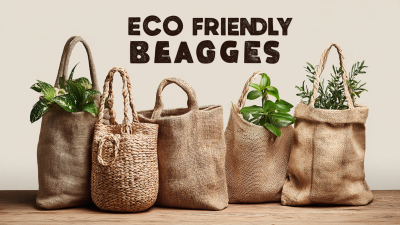
Jute provides a compelling alternative. This plant-based material is biodegradable and requires less water to grow. A study from the Indian Jute Mills Association notes jute cultivation can sequester CO2. It’s strong and durable, making it ideal for carrying heavy items. However, some jute bags may lack the same aesthetic appeal as cotton ones, which could be a consideration for consumers.
Recycled materials are the most innovative choice. They help reduce landfill waste. The Environmental Protection Agency reported that recycling prevented 186 million metric tons of CO2 emissions in a single year. However, consumers should consider the potential environmental impact of the recycling process itself.
Tips:
- Look for totes certified by reliable organizations.
- Check for labels indicating sustainable farming practices.
- Consider your usage patterns before making a choice.
Tips for Maintaining and Recycling Your Eco-Friendly Totes
When it comes to maintaining your eco-friendly totes, understanding fabric types is essential. Many totes are made from recycled materials such as PET from plastic bottles, which can save up to 75% of the energy needed to create new polyester. However, these totes require specific care to extend their lifespan. Washing them gently can prevent wear and tear, ensuring they remain usable for longer. Aim to wash your totes in cold water with mild detergent to minimize environmental impact.
Recycling eco-friendly totes should also be a consideration. According to a report by the Environmental Protection Agency, around 9% of plastics are recycled. This statistic highlights the importance of proper disposal. When your tote reaches the end of its life, check if it can be repurposed or donated. Many materials used in these bags can often be recycled into new products. Engage with local recycling programs and understand what is accepted in your area. Making informed decisions can contribute to a reduction in landfill waste.
While these practices are essential, they are not foolproof. Many consumers overlook the proper cleaning methods or ignore recycling options entirely. Awareness is crucial in fostering eco-conscious habits. Effective maintenance and recycling of eco-friendly totes can significantly influence sustainability efforts. Small, consistent actions lead to a lasting impact.