Archives


What Type of Packing Covers Are Best?

Choosing the right Packing Covers is not simply a matter of selecting the thickest material. A cover must match the product, storage conditions, handling method, and expected service life. A lightweight polyethylene cover may suit indoor pallets, while laminated or reinforced fabric may perform better outdoors. Details matter.

Packaging specialist Dr. Jay Singh offers a useful principle: “A package must protect the product, communicate value, and perform reliably.” This idea applies directly to Packing Covers. Protection includes more than blocking dust. Covers may need to resist rain, sunlight, abrasion, stretching, and repeated removal. In a busy warehouse, a poorly fitted cover can snag on pallets or tear against sharp corners. That small failure can expose equipment, furniture, or materials to moisture and dirt.

The best choice depends on actual conditions. Start with dimensions, weight, surface shape, and handling frequency. Then consider ventilation, fastening points, and cleaning requirements. Do not assume thicker always means stronger. Some heavy covers are difficult to install and may create unnecessary labor. Others look durable but fail around seams or eyelets.

There is room for judgment. No single cover works everywhere. A reusable PVC-coated cover may be dependable, yet excessive weight can reduce practicality. A breathable fabric cover may reduce condensation, but it may not stop heavy rain. This guide compares common Packing Covers by protection, durability, usability, and value, helping readers make a more informed choice.
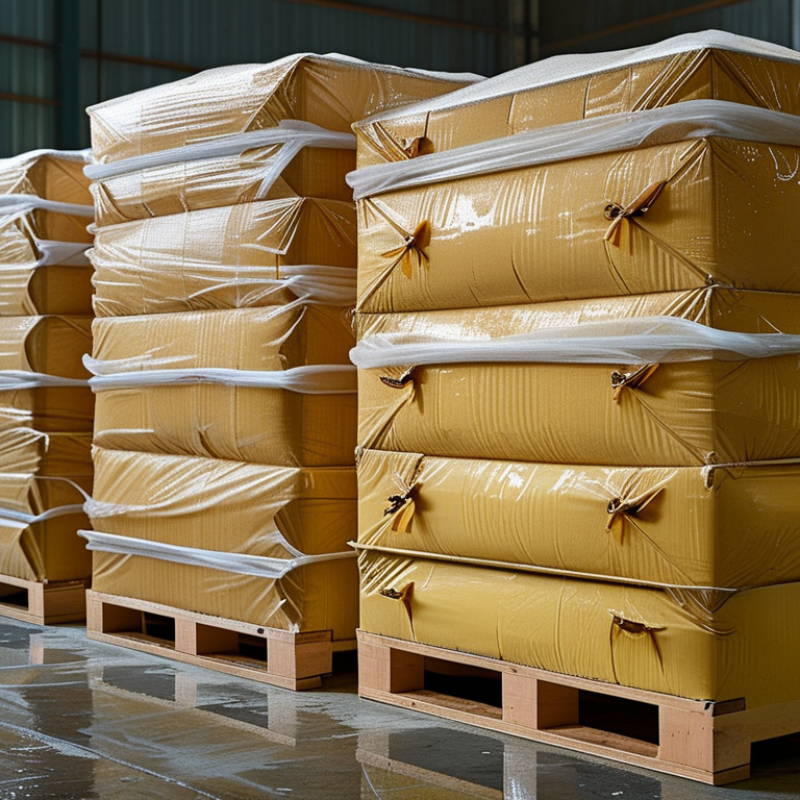
What Type of Packing Covers Are Best?

Packing Cover Types Classified by Material, Use, and Protection Level

What Type of Packing Covers Are Best?

Packing cover types are easiest to compare by material, use, and protection level. Polyethylene covers suit short-term storage and moving because they resist dust, light moisture, and rough handling. They are practical for boxed furniture or stacked supplies. However, thin plastic can tear against sharp corners.

Canvas covers offer stronger abrasion resistance. Their woven surface feels more dependable around timber, machinery, and workshop equipment. Some canvas covers include water-resistant treatments, but they are not always waterproof. A damp cover can trap moisture underneath. That detail is easy to miss.

Laminated fabric provides a useful middle option. It combines flexibility with better resistance to rain, oil splashes, and surface scuffs. These covers work well during transport or outdoor staging.

For delicate items, choose padded covers with foam or quilted layers. They reduce dents from vibration and accidental knocks. Breathable fabric may be safer for long storage, especially in changing temperatures. It helps reduce condensation, though it cannot correct a wet item packed inside.

Protection level should match the actual risk. Dust protection needs less material than impact protection. A light indoor cover may be enough for clean shelving, while outdoor transport needs sealed edges, strong fasteners, and reinforced corners.

Measure the item with its fittings attached. Covers that fit too tightly can split at the seams. Covers that are too loose may catch wind or slide during handling. There is no perfect choice; real conditions often expose weaknesses that a product sheet does not mention.

Comparing PE, PP, PVC, and Fabric Covers Under ISO 527 Testing

What Type of Packing Covers Are Best?

ISO 527 testing helps compare tensile strength, elongation, and stiffness in packing cover materials. PE usually offers strong flexibility and practical tear resistance. PP often feels stiffer and can retain shape better under load. PVC may provide good toughness and weather resistance, but its results depend heavily on formulation and thickness. Fabric covers are different. Their woven structure, coating, and seam design can change the result significantly.

Test conditions matter. Cut specimens from consistent areas, avoiding seams unless seam strength is the target. Condition samples before testing, because humidity and temperature can alter elongation. Use the correct ISO 527 method for the material. A coated fabric should not be treated like a simple plastic film. Watch the stress-strain curve, not only the final breaking force. A higher tensile value does not automatically mean better cover performance.

Tips: Record thickness at several points, inspect grip slippage, and repeat tests across the roll. Small variations can be important. A neat material ranking is tempting, but it can mislead. In practice, PE may win for flexible handling, while PP suits firmer support. PVC can perform well in demanding exposure, yet its environmental and handling requirements deserve review. Fabric may be the strongest choice for repeated use, though stitching can become the weak point. That detail is easy to miss.

Selecting Cover Thickness Using ASTM D882 Tensile-Strength Data

What Type of Packing Covers Are Best?

Selecting Cover Thickness Using ASTM D882 Tensile-Strength Data

Choosing packing cover thickness should begin with the load, contact surface, and handling conditions. ASTM D882 provides useful tensile data for plastic films and thin sheets. It measures force, elongation, and sometimes tensile strength at break. These results help compare materials under controlled conditions.

Check both machine-direction and cross-direction values. Film can resist pulling well in one direction but perform poorly in the other. A 50-micrometre cover may suit clean, light packages with smooth edges. A thicker 100-micrometre cover may be safer around corners, repeated handling, or outdoor storage. Thickness alone is not protection. Tear resistance matters.

Use real test data.

During material reviews, I compare ASTM D882 results with the package’s actual weight and handling pattern. A strong film can still puncture when a sharp edge presses against it. Temperature also changes performance, especially in cold warehouses. Ask whether testing used conditioned samples, because moisture and temperature may affect the results. Test samples should match the proposed thickness, not a different laboratory grade.

A common mistake is selecting the highest tensile value without checking elongation. High strength with low stretch may cause sudden failure around a corner. I prefer a balanced result, supported by small-scale trials using the actual packing line. Record tearing, slipping, and seal damage. These observations may challenge the original specification.

Evaluating Tear Resistance and Durability Through ASTM D1004 Testing

What Type of Packing Covers Are Best?

Evaluating Tear Resistance and Durability Through ASTM D1004 Testing

The best packing cover depends on how it will be handled, stored, and transported. A cover facing sharp corners needs strong tear resistance. One exposed to sunlight or repeated folding needs broader durability.

ASTM D1004 provides a practical way to measure initial tear resistance in plastic film and sheeting. During testing, a prepared specimen is pulled under controlled conditions. The recorded force shows how much energy is needed to start a tear. That detail matters. A cover may appear thick, yet fail quickly after a small cut begins.

In real packaging work, I would inspect thickness, flexibility, seams, and edge protection alongside the test result. A warehouse cover can rub against a wooden pallet for weeks. A tiny puncture near the corner may then spread across the sheet. ASTM D1004 helps compare materials, but it does not predict every field condition. It does not fully measure weathering, abrasion, puncture resistance, or long-term fatigue.

Test preparation also deserves attention. Samples should come from different areas of the roll, because material properties may vary. Temperature and humidity can influence results. Small testing errors matter.

A high tear value is useful, not conclusive. The most reliable choice combines ASTM D1004 data with handling trials, storage observations, and realistic load conditions. I would also repeat testing when the cover design changes. That step is easy to overlook.

Matching Covers to Moisture, UV, Dust, and Static-Control Requirements

What Type of Packing Covers Are Best?

Packing covers should match the dominant exposure, not simply the product shape. For moisture, choose coated fabric or polyethylene film with sealed seams. ISO 2233 conditioning procedures can expose packages to 90% relative humidity, revealing weak closures and trapped condensation. Leave a small ventilation path when temperature changes are likely. A fully sealed cover can become a humidity trap. That mistake is easy to make.

UV exposure needs more than a dark color. The World Health Organization’s Global Solar UV Index identifies levels of 3 or higher as requiring protection. Use UV-stabilized material when covers remain outdoors, especially for rubber, painted surfaces, and pale plastics. Inspect folded edges first. They often fade before broad panels. NOAA’s ultraviolet monitoring data also shows that exposure varies sharply by season, latitude, and cloud conditions, so indoor storage assumptions may fail near open loading areas.

Dust control depends on fabric weave, closure design, and handling discipline. For electronics, use antistatic or conductive covers that align with IEC 61340-5-1 practices. Ordinary plastic may accumulate charge during removal. The 2024 Global E-waste Monitor reports 62 million tonnes of electronic waste generated in 2022, making protection during storage increasingly important. Still, static control is not automatic. Grounding, clean surfaces, and trained handling remain necessary. I would not specify one cover for every warehouse; real site measurements should challenge the first choice.

Close
Enter your email address to receive special offers!
linkedin facebook pinterest youtube rss twitter instagram facebook-blank rss-blank linkedin-blank pinterest youtube twitter instagram