What Is a Water Chiller Evaporator and How Does It Work?
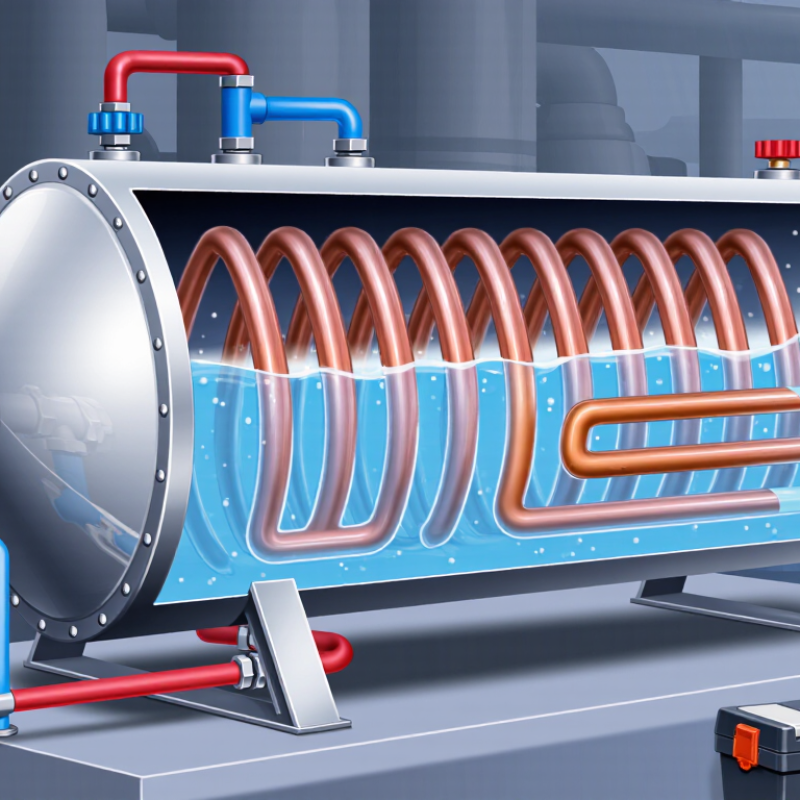
A Water Chiller Evaporator is the point where refrigeration theory becomes visible in everyday cooling. It absorbs heat from circulating water and transfers that heat into a refrigerant. In many commercial chillers, chilled water flows through tubes while the refrigerant boils around them inside a shell. The cooled water then returns to air-handling units, process equipment, or building coils.
The neat diagram is misleading. Real systems are less tidy.
As refrigeration engineer and author Dr. William F. Stoecker explained, “The evaporator is the component in which the refrigerant absorbs heat from the space or product being cooled.” That simple sentence captures the component’s purpose, but not every operating challenge. Correct refrigerant flow, stable pressure, sufficient superheat, and clean heat-transfer surfaces all matter. Even a thin layer of scale can reduce performance, increase energy consumption, and create unstable leaving-water temperatures.
This guide explores what a Water Chiller Evaporator does, how boiling refrigerant removes heat, and why design differences affect efficiency. It also examines shell-and-tube and brazed-plate configurations, common sensors, and practical maintenance concerns. A technician may hear the compressor running smoothly, yet still find poor cooling caused by fouled tubes or restricted flow. That detail is easy to miss.
Understanding the evaporator requires more than memorizing a cycle diagram. It requires observing temperatures, pressures, water flow, and operating behavior together. Some explanations simplify the process too much. This article keeps the principle clear while acknowledging the imperfect conditions found in working chiller systems.
Water Chiller Evaporator: Definition and Core Purpose
A water chiller evaporator is the heat-transfer section where warm return water meets a colder refrigerant. Its core purpose is simple: remove heat from water before that water returns to the building. Inside the evaporator, refrigerant absorbs heat and changes from liquid to vapor. The cooled water then moves through air-handling units, fan-coil units, or process equipment.
The evaporator does not “create cold.” It relocates heat. This distinction matters during commissioning. A typical chilled-water loop may supply water near 6–7°C, while return water arrives several degrees warmer. The exact difference depends on load, flow, and control settings. ASHRAE’s HVAC Systems and Equipment guidance describes this heat exchange as a central refrigeration function. Small design errors can still reduce performance.
The wider energy impact is substantial. The International Energy Agency’s The Future of Cooling report projects that cooling demand could more than triple by 2050 without efficiency improvements. The U.S. Department of Energy’s Buildings Energy Data Book has reported HVAC uses roughly 39% of energy in U.S. commercial buildings. That makes evaporator performance worth measuring, not guessing.
Fouled tubes, poor water flow, or excessive refrigerant superheat can weaken heat transfer. The numbers may look acceptable. The system may still waste energy. Experienced technicians check entering and leaving temperatures, pressure readings, flow rate, and approach temperature together. That evidence is more reliable than one impressive efficiency figure.
Main Components and Their Roles in the Evaporation Process
What Is a Water Chiller Evaporator and How Does It Work?
A water chiller evaporator transfers heat from chilled water to a circulating refrigerant. It is the cooling system’s heat-absorbing section. The refrigerant enters at low pressure and begins evaporating as it absorbs heat from the water. That phase change drives the cooling effect. The chilled water then leaves the evaporator and moves toward air-handling equipment or process machinery.
Main Components and Their Roles in the Evaporation Process
A shell-and-tube evaporator uses metal tubes to separate water and refrigerant. In many designs, water flows inside the tubes while refrigerant surrounds them. Baffles guide the refrigerant and improve contact with the tube surfaces. A distributor helps spread refrigerant across the heat-transfer area. Uneven distribution can reduce performance.
The expansion valve controls refrigerant flow into the evaporator. It also creates the pressure drop needed for evaporation. The compressor pulls vapor from the outlet and maintains the required low pressure. That pressure change matters. Temperature and pressure sensors monitor operating conditions, while a control system adjusts flow during changing loads. Insulation reduces unwanted heat gain around the chilled-water piping.
Field technicians often check water flow, refrigerant superheat, pressure readings, and tube cleanliness. A small blockage can create a noticeable temperature difference. Fouling on the tube surface acts like a blanket and slows heat transfer. The design is reliable, but not flawless. Poor flow balancing or inaccurate sensors can make a healthy evaporator appear defective. Careful measurements should guide the diagnosis.
How Refrigerant Absorbs Heat Inside the Evaporator
What Is a Water Chiller Evaporator and How Does It Work?
How Refrigerant Absorbs Heat Inside the Evaporator
A water chiller evaporator is a heat exchanger between chilled water and refrigerant. Warm return water flows through tubes or across plates. Low-pressure refrigerant surrounds the opposite surface. It enters as a cold liquid, then begins boiling as it absorbs heat from the water. That phase change is the key.
Boiling refrigerant removes heat efficiently because vaporization requires substantial energy. The refrigerant temperature stays relatively stable while it changes into vapor. Meanwhile, water leaving the evaporator may feel sharply colder, often near the designed supply temperature. A temperature sensor checks this change. Pressure readings also help confirm whether evaporation is occurring normally.
Inside a working system, heat transfer is never perfectly clean. Mineral scale, oil migration, or trapped air can reduce contact between the fluids. The evaporator may then need more energy to produce the same cooling effect. Technicians examine temperature differences, suction pressure, and superheat rather than trusting one reading. Small errors matter. An inaccurate sensor can suggest a refrigerant problem when the real issue is restricted water flow. In my experience, airflow receives more attention, but water-side fouling can be just as damaging. The simple explanation is useful, yet real machines require careful measurements and a willingness to question the first diagnosis.
How Chilled Water Circulates Through the System
A water chiller evaporator is the section where heat leaves the building’s water circuit. Inside the evaporator, refrigerant absorbs heat from returning chilled water. The refrigerant changes from a low-pressure liquid into vapor. This phase change creates the cooling effect.
A pump sends warmer water from air-handling units or process equipment into the evaporator. The water usually enters around 12°C and leaves near 7°C, depending on the system design. It then travels through pipes to cooling coils. Fans move air across these coils, while the chilled water absorbs heat from rooms or equipment. The warmed water returns to the evaporator, and the cycle continues. Flow sensors and temperature controls help maintain stable performance. Small changes matter.
In practical systems, the diagram often looks cleaner than the machine room. Dirty strainers can reduce flow, while trapped air can create uneven cooling. Poor insulation may also allow condensation and energy loss. I have found that checking temperature differences is useful, but it is not enough by itself. Pump condition, water quality, and pressure should also be reviewed. A low temperature difference may suggest excessive flow or weak heat transfer.
Tips: Keep the water circuit clean and properly insulated. Check supply and return temperatures regularly. Protect the evaporator from freezing during low-load operation. Follow the equipment manual for flow limits, pressure readings, and safe maintenance intervals. Unexpected readings deserve investigation, not quick adjustment.
What Is a Water Chiller Evaporator and How Does It Work?
Typical chilled-water temperature changes as water circulates through a chiller system. The evaporator removes heat from the returning water before sending the cooled water back to the building.
How it works: Chilled water typically leaves the evaporator at approximately 6°C, absorbs heat from air-handling or process coils, and returns at approximately 12°C. Inside the evaporator, refrigerant absorbs this heat and cools the water for continuous circulation.
Common Evaporator Designs, Applications, and Maintenance Needs
What Is a Water Chiller Evaporator and How Does It Work?
A water chiller evaporator transfers heat from chilled water into refrigerant. The refrigerant boils at low pressure inside the evaporator. Its phase change absorbs heat from water returning from an air-handling system. The cooled water then circulates through coils, process equipment, or data-center cooling loops.
Common designs include flooded shell-and-tube, direct-expansion shell-and-tube, brazed-plate, and falling-film evaporators. Flooded units provide strong heat transfer, but they need careful oil and refrigerant management. Brazed-plate models are compact. They can be sensitive to blocked water passages. Falling-film designs often reduce refrigerant charge, although uneven distribution can reduce performance. Small details matter.
Applications vary widely. Commercial buildings use evaporators for comfort cooling. Hospitals and factories require tighter temperature control. Data centers demand continuous operation and rapid fault detection. The IEA’s The Future of Cooling report projects that cooling energy demand could more than triple by 2050. That pressure makes evaporator efficiency increasingly important.
Maintenance begins with measurable conditions. Technicians should record entering and leaving water temperatures, pressure drop, approach temperature, and flow rate. Fouled tubes increase approach temperature. Poor water treatment accelerates scaling and corrosion. DOE’s Operations and Maintenance Best Practices Guide estimates that effective maintenance can reduce facility energy use by roughly 5–20%. The figure varies. Real systems are rarely perfect. Clean strainers, inspect joints, verify freeze protection, and review refrigerant readings during scheduled service. Ignoring one small leak can distort the entire diagnosis.
