Top 10 Reusable Tote Bag Types for Global Buyers?
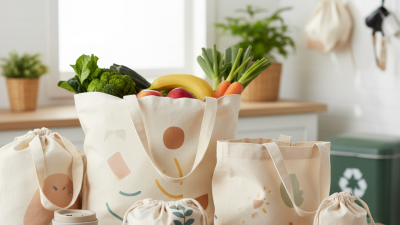
Global buyers are rethinking the ordinary shopping bag. A Reusable Tote can support brand visibility, lower single-use consumption, and improve customer convenience. However, one design rarely fits every market, product category, or climate.
Ellen MacArthur, a leading circular-economy authority, states, “A circular economy is based on the principles of designing out waste and pollution, keeping products and materials in use, and regenerating natural systems.” This principle guides our review of the top ten Reusable Tote types. The selection considers practical experience, material performance, printing quality, carrying comfort, and supply-chain reliability.
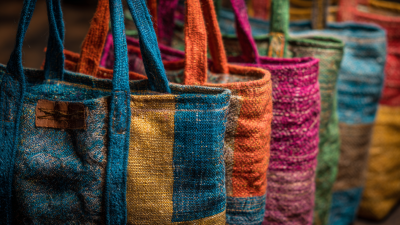
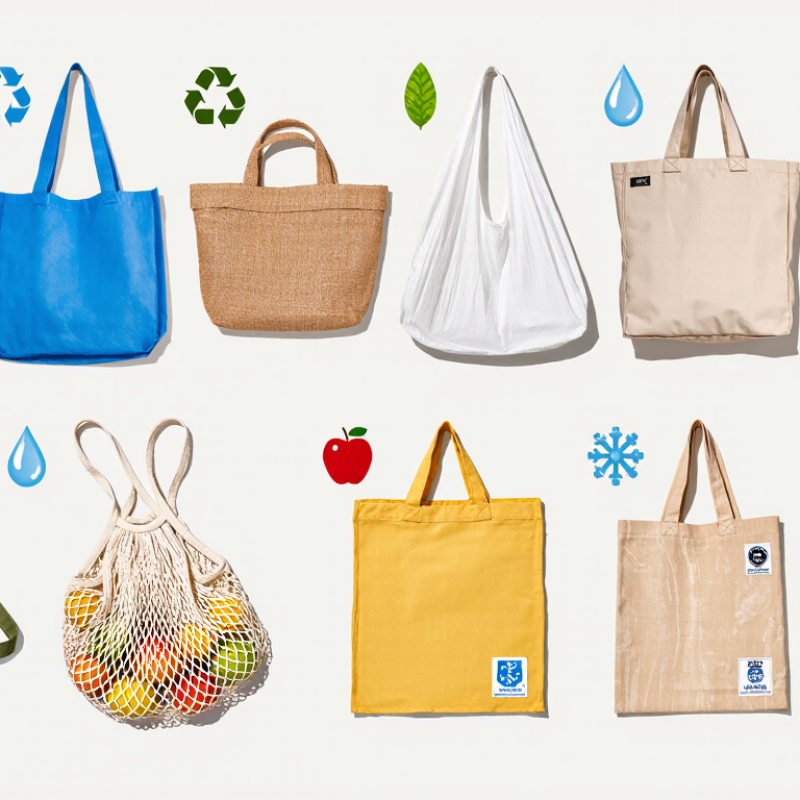
Cotton totes remain popular for retail campaigns. Recycled polyester options offer lighter weight and strong color printing. Jute creates a textured, natural appearance. Non-woven polypropylene often suits large promotional orders. Canvas handles heavier books, groceries, and daily essentials. Insulated totes protect chilled products during short journeys. Foldable designs save shelf and luggage space. Mesh styles improve ventilation for produce. Organic-fiber bags support specific sustainability claims, but certification must be verified carefully. Laminated options resist moisture, although their mixed materials can complicate recycling.
The comparison is not perfect. Durability depends on stitching, handle length, washing habits, and load weight. A low-cost tote may become waste quickly. A premium bag may also be overdesigned. Buyers should check samples, factory records, testing documents, and realistic usage scenarios before ordering. That practical step is easy to skip. It should not be. This guide helps global purchasers match each Reusable Tote type with actual customer needs, responsible sourcing goals, and measurable long-term value.
Define the Top 10 Tote Types: UNEP Reports 1 Million Plastic Bags Used per Minute
Top 10 Reusable Tote Bag Types for Global Buyers
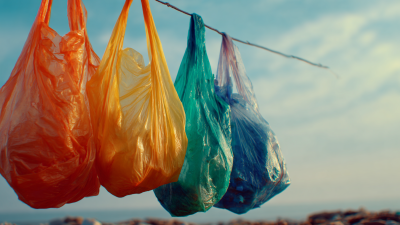
UNEP reports that about one million plastic bags are used every minute. This figure makes reusable totes more than a fashion choice. They can support practical waste reduction when buyers reuse them consistently.
The ten main types include cotton, organic cotton, canvas, recycled polyester, recycled PET, nonwoven polypropylene, jute, hemp, mesh, and insulated totes. Each suits a different purchasing need. Canvas handles heavier groceries, while mesh works well for produce. Recycled PET offers a light, smooth surface for retail printing. Jute and hemp provide a natural texture, but moisture can shorten their service life. Foldable polyester totes save storage space. Insulated versions protect chilled goods during short journeys.
A heavier bag is not automatically greener. Its material, stitching, washing needs, shipping distance, and actual reuse count matter. In my sourcing experience, reinforced seams and wider handles prevent early failure. Yet colorfastness and odor are sometimes overlooked. That deserves more attention.
Tips:
Request material composition, fabric weight, handle length, load testing, and washing guidance. Check whether suppliers provide credible recycled-content or organic-fiber documentation. Sample the bag with real items, not only empty studio photos. Measure packed volume before ordering. A low-cost tote may become expensive if customers discard it after a few uses.
Compare Cotton, Canvas, Jute, and Hemp by Strength, Cost, and End Use
Top 10 Reusable Tote Bag Types for Global Buyers
Global buyers often compare reusable totes by strength, cost, and end use. Material alone is not enough. Stitching, fabric weight, handle length, and moisture exposure can change performance.
The ten practical types include plain cotton, canvas, recycled cotton, organic cotton, jute, laminated jute, hemp, hemp-cotton blends, cotton mesh, and gusseted canvas.
Plain cotton totes are affordable and suitable for light groceries or promotional events. Canvas uses denser cotton yarns, so it carries books, tools, and heavier retail items more reliably.
Recycled cotton can reduce material demand, but color and texture may vary between production batches. Organic cotton supports a different sourcing position, although its purchase cost is often higher.
Cotton mesh is breathable and useful for produce, yet it offers less privacy and abrasion resistance.
Jute feels rigid and natural, making it suitable for gift packaging, farmers’ markets, and dry goods. Laminated jute improves moisture resistance, but the coating may affect recycling options.
Hemp is strong and handles repeated use well, though supply and processing costs can be higher. Hemp-cotton blends balance softness, durability, and price. Gusseted canvas provides extra volume for groceries or sample kits.
It is not a perfect ranking. A buyer should request GSM data, seam photos, load-test results, and wash instructions before approving bulk production. Even then, wet conditions can expose weaknesses that a showroom sample hides.
Assess RPET, Woven PP, Nonwoven PP, Mesh, and Insulated Tote Performance
Top 10 Reusable Tote Bag Types for Global Buyers?
Reusable tote selection depends on load, climate, washing, and expected reuse cycles. The main options include RPET, woven PP, nonwoven PP, mesh, insulated, cotton canvas, jute, laminated, recycled cotton, and foldable polyester totes.
RPET offers a strong recycled-content story. Textile Exchange’s Materials Market Report 2024 states that recycled polyester represented about 12% of global polyester production in 2023. However, RPET can still shed fibers and may require controlled recycling systems. Woven PP usually handles heavier groceries better than nonwoven PP, while nonwoven PP reduces cost and weight. Yet, its stitched handles often fail first. Small details matter.
Mesh totes improve airflow for produce and reduce material use. Their open structure is unsuitable for leaks or fine items. Insulated totes protect chilled goods, but thicker foam and foil layers complicate recycling. UNEP’s 2023 Turning off the Tap report identifies reuse and better product design as major routes for reducing plastic pollution, potentially cutting projected pollution by 80% by 2040. That figure is a system-level scenario, not a guarantee for every bag. Cotton canvas, jute, and recycled cotton feel premium, but their water, farming, and processing impacts vary widely. ISO 14044-based life-cycle assessments show that reuse frequency can change the result dramatically. Buyers should request handle-cycle tests, seam-strength data, material declarations, and realistic reuse assumptions. Fancy claims need evidence.
Top 10 Reusable Tote Bag Types for Global Buyers: RPET, Woven PP, Nonwoven PP, Mesh, and Insulated Tote Performance
| Rank |
Tote Bag Type |
Typical Material & Construction |
Typical Reuse Cycles |
Recommended Load |
Water Resistance |
Approx. Bag Weight |
Foldability |
Care Method |
Best Use Case |
Overall Performance |
| 1 |
Woven PP Tote |
Laminated or unlaminated woven polypropylene fabric with stitched handles |
100–200+ |
15–25 kg |
Good–Excellent |
70–150 g |
Good |
Wipe clean; hand wash |
Groceries, retail, trade events |
Excellent |
| 2 |
RPET Woven Tote |
Woven fabric made from recycled PET filaments; optional recycled-content lining |
80–180+ |
10–20 kg |
Good |
80–160 g |
Good |
Wipe clean; gentle hand wash |
Sustainable retail and promotional programs |
Excellent |
| 3 |
Insulated Laminated Tote |
PP, RPET, or polyester outer layer with PEVA/PVC lining and foam insulation |
50–100+ |
8–15 kg |
Excellent |
180–450 g |
Fair |
Wipe clean; do not machine dry |
Chilled groceries, meal delivery, picnic use |
Excellent |
| 4 |
Heavy-Duty Cotton Canvas Tote |
Woven cotton canvas, generally 8–16 oz fabric, with reinforced seams |
80–150+ |
10–20 kg |
Low–Moderate |
180–350 g |
Fair |
Machine wash; air dry |
Books, apparel, premium retail |
Very Good |
| 5 |
RPET Nonwoven Tote |
Spunbond nonwoven fabric made from recycled PET, usually 60–120 gsm |
30–80+ |
5–10 kg |
Moderate |
45–100 g |
Excellent |
Wipe clean; gentle hand wash |
Promotional campaigns and light shopping |
Very Good |
| 6 |
Nonwoven PP Tote |
Spunbond polypropylene fabric, commonly 70–120 gsm, sewn or heat-sealed |
30–80+ |
5–12 kg |
Moderate |
40–100 g |
Excellent |
Wipe clean; hand wash |
Retail giveaways and everyday shopping |
Very Good |
| 7 |
Jute or Burlap Tote |
Woven natural jute fiber, often combined with cotton handles or laminated backing |
40–100+ |
8–15 kg |
Low–Moderate |
180–350 g |
Poor–Fair |
Spot clean; keep dry |
Gift packaging, food products, natural-look retail |
Good |
| 8 |
Mesh Polyester Tote |
Knitted or woven polyester mesh with breathable panels and reinforced edges |
50–120+ |
5–12 kg |
Low |
60–150 g |
Excellent |
Machine wash; air dry |
Produce, beach, gym, laundry, outdoor use |
Good |
| 9 |
Recycled Cotton Tote |
Woven fabric containing recycled cotton fibers, often blended for improved strength |
40–100+ |
5–12 kg |
Low–Moderate |
120–250 g |
Good |
Machine wash; air dry |
Eco-focused events and lifestyle retail |
Good |
| 10 |
Paper-Laminated Reusable Tote |
Heavy paper or kraft substrate with laminated surface and twisted or flat handles |
10–30+ |
3–8 kg |
Low–Moderate |
80–180 g |
Fair |
Spot clean; keep dry |
Short-term retail packaging and gifting |
Fair |
Note: Performance figures are typical market ranges for standard reusable tote constructions. Actual results vary with fabric weight, stitching, handle design, lamination, washing conditions, and load distribution.
Verify Global Claims with ISO 14021, GRS, and EU Plastic-Bag Rules
Top 10 Reusable Tote Bag Types for Global Buyers?
A tote is not automatically sustainable. Buyers commonly compare cotton canvas, recycled cotton, jute, rPET, recycled polyester, woven polypropylene, nonwoven polypropylene, nylon, hemp, and laminated paper totes. Each type needs evidence. Textile Exchange’s Materials Market Report 2024 recorded 124 million tonnes of global fibre production in 2023. It projects production could reach 160 million tonnes by 2030. Material choice matters, but vague “eco-friendly” wording proves little.
ISO 14021 guides self-declared environmental claims. Suppliers should identify the material, percentage, testing method, and claim boundary. “Recycled” should not mean only a small trim or handle. Request invoices, test reports, and production records. GRS can verify recycled content and chain of custody, while also covering environmental, social, and chemical requirements. Certification scope still matters. A certified factory does not automatically certify every product.
Check the destination market carefully. Under EU Directive 2015/720, member states were expected to reduce lightweight plastic carrier-bag consumption to 90 bags per person by 2019 and 40 by 2025, unless equivalent measures applied. National rules differ, and reusable polypropylene bags may receive different treatment. The OECD’s Global Plastics Outlook reported 353 million tonnes of plastic waste in 2019, nearly double the 2000 level. Reuse claims should include expected uses, washing instructions, and bag weight. Buyers often overlook transport emissions and over-ordering. That deserves a second review.
Top 10 Reusable Tote Bag Types for Global Buyers
Verification relevance based on ISO 14021 environmental claims, GRS recycled-content claims, and EU plastic-bag rules
Each score represents the number of verification areas commonly relevant to the bag type: ISO 14021 claim substantiation, GRS certification when recycled content is claimed, and EU plastic-bag requirements when the product is made from plastic. Applicability depends on the final material, claim wording, construction, and destination market.