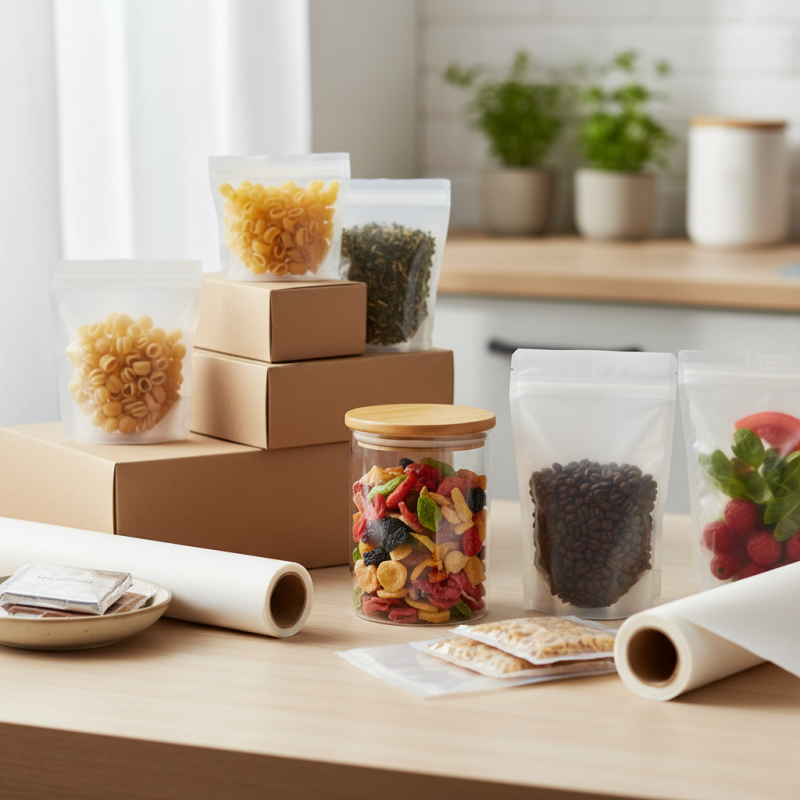
What is Food Grade Packaging and Why is it Important?
Food-Grade Packaging plays a crucial role in preserving food safety and quality. According to Dr. Sarah Thompson, a leading expert in food science, "Packaging is the first line of defense in keeping our food safe." This highlights the importance of using materials that are safe for direct food contact.
Food-Grade Packaging must meet strict regulatory standards. These materials protect food from contamination and extend shelf life. However, many products do not meet these essential criteria. Consumers often overlook packaging quality, which can lead to health risks.
Choosing the right Food-Grade Packaging can be daunting. Not all packaging labeled as food-grade is created equal. It is essential for businesses to verify that their packaging meets safety standards. This decision reflects on the company’s commitment to consumer safety and product integrity. Proper packaging can prevent spoilage and maintain flavor, ensuring a positive experience for customers.
What is Food Grade Packaging?
Food grade packaging is essential for preserving the safety and quality of our food. This packaging is made from materials approved for direct contact with food. Common materials include certain plastics, glass, and metals. These materials prevent contamination. They also extend the shelf life of products.
When selecting food grade packaging, consider the type of food it will hold. Dry foods require different materials compared to liquids. Think about permeability. Some materials allow air and moisture to pass through. This can spoil food. A good choice will help maintain freshness.
Tips: Always check for certifications. Look for symbols that indicate safety standards. It's important to use packaging that fits your needs. If the packaging doesn't seal well, reconsider your options. Food safety is paramount, and so is using the right packaging.
Key Materials Used in Food Grade Packaging
Food grade packaging plays a crucial role in ensuring the safety and quality of edible products. It consists of materials specifically designed to come into contact with food. Common materials include plastics, glass, paper, and metal. Each material has unique properties that affect flavor, durability, and safety. For instance, plastic is lightweight and versatile, making it a popular choice. However, some plastics can leach harmful substances, raising concerns about their use.
Glass offers a non-reactive option that preserves taste and aroma. It is recyclable and often more expensive than plastic. On the other hand, paper and cardboard are biodegradable and suitable for dry food items. Yet, they may not provide the best moisture barrier, leading to spoilage. Food grade packaging must balance functionality and safety with environmental impacts. Choosing the right material can be complicated, but it is necessary to maintain product integrity and consumer health.
What is Food Grade Packaging and Why is it Important? - Key Materials Used in Food Grade Packaging
| Material Type | Description | Common Uses | Safety Features |
| PET (Polyethylene Terephthalate) | A lightweight, strong plastic resin. | Beverage bottles, food containers. | Recyclable, resistant to impact. |
| HDPE (High-Density Polyethylene) | Sturdy and versatile plastic. | Milk jugs, juice bottles, yogurt containers. | BPA-free, durable and resistant to chemicals. |
| LDPE (Low-Density Polyethylene) | Flexible and tough plastic. | Bread bags, food wraps. | Safe for contact with food, recyclable. |
| BOPP (Biaxially Oriented Polypropylene) | Transparent and durable plastic film. | Snack food packaging, labels. | Odorless, moisture-resistant. |
| Glass | Non-porous and inert material. | Jars, bottles for food and beverages. | 100% recyclable, doesn't leach chemicals. |
The Importance of Safety Standards in Food Packaging
Food packaging plays a critical role in ensuring consumer safety. According to a report by the FDA, over 48 million people in the U.S. fall ill from foodborne illnesses annually. A significant portion of these cases can be traced back to packaging that fails to meet safety standards. Proper food grade packaging prevents contaminants from entering the food supply. It acts as a barrier against bacteria and other harmful substances.
The importance of safety standards is evident in materials used for food packaging. Regulations require that packaging materials be free from harmful chemicals. For instance, the allowable limits of bisphenol A (BPA) in food containers are strictly monitored. Studies show that high levels of BPA can pose risks to human health. Packaging that complies with these standards is essential for consumer trust.
However, not all packaging meets these safety requirements. A report by the World Health Organization suggests that about 10% of food packages globally do not adhere to health regulations. This statistic raises concerns. Manufacturers often prioritize cost over safety. Inadequate packaging can lead to serious health consequences. Consumers deserve assurance about the safety of their food.
Environmental Impact of Food Grade Packaging
Food grade packaging plays a crucial role in protecting our food. However, its environmental impact is significant. Many food packaging materials are single-use. They end up in landfills, contributing to pollution. Plastic is particularly concerning. It takes hundreds of years to decompose. This raises questions about sustainability.
Many consumers are unaware of recycling options. Even if packaging is recyclable, only a fraction gets processed. This inefficiency leads to unnecessary waste. Some materials can leach harmful chemicals into food. That’s troubling. Additionally, the carbon footprint of manufacturing these materials is substantial.
There is a growing movement towards eco-friendly alternatives. Biodegradable and compostable options are gaining popularity. Yet, they often come at a higher cost. This can deter consumers from making sustainable choices. We all need to consider our role in packaging waste. Small changes can lead to a significant positive impact on the environment.
Future Trends in Food Grade Packaging Solutions
The landscape of food grade packaging is evolving. Future trends focus on sustainability and technology. Consumers are increasingly aware of how packaging impacts the environment. A recent report from the Food and Agriculture Organization revealed that over 1/3 of all food produced is wasted, often due to inadequate packaging. Thus, innovative solutions are essential.
Biodegradable materials are gaining popularity. They represent a shift towards eco-friendly packaging that decomposes naturally. According to recent market analysis, the biodegradable packaging market could grow by 15% annually. This growth reflects a growing consumer demand for sustainable practices. Companies are experimenting with materials like seaweed, mushrooms, and even plant-based plastics. These developments are promising, but questions remain about their scalability.
Tips: Consider using minimal packaging. This is a simple yet effective way to reduce waste. Engage customers on sustainability. Share your packaging choices and encourage feedback. Continuous improvement is necessary as new materials emerge. Stay informed and adapt to changing regulations and consumer preferences. These steps can help ensure the future of food packaging is both innovative and responsible.
Trends in Food Grade Packaging Solutions