Ultimate Tips for Efficient Linerless Labeling Solutions?
Linerless Labeling has become a game-changer in the packaging industry, offering significant benefits. According to recent industry reports, the global linerless label market is projected to grow at a compound annual growth rate of 7.4%, highlighting its rising importance. Companies are increasingly looking for sustainable and cost-effective labeling solutions to reduce waste and improve efficiency.
Deploying linerless labeling can lead to a 30% reduction in labeling costs. This innovation eliminates the waste associated with traditional labels and enhances production speed. However, as with any technology, challenges exist. Companies need proper training and equipment to fully utilize linerless systems. Understanding material compatibility and adhesive performance is crucial for optimal results.
Despite the advantages, many businesses struggle with implementation. A lack of expertise can lead to errors that compromise product integrity. Therefore, investing in training and resources is essential. As the linerless labeling sector evolves, staying informed about best practices and technological advancements will be vital for success. Embracing this approach could revolutionize your labeling process, but awareness of potential pitfalls is equally important.
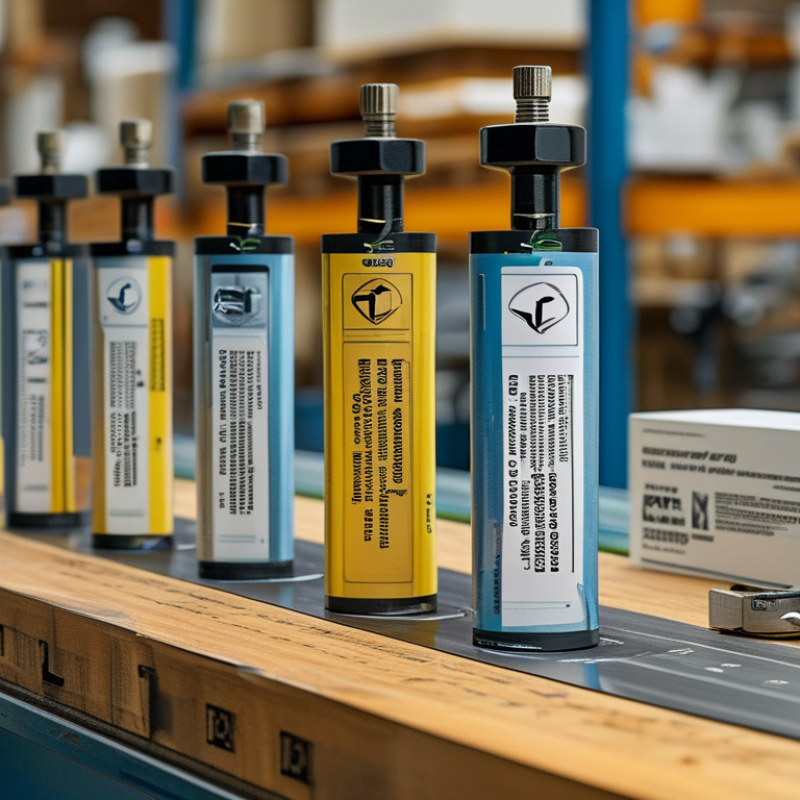
Understanding Linerless Labeling and Its Benefits
Linerless labeling is gaining traction due to its innovative design and efficiency. Unlike traditional labels, linerless labels do not have a backing paper. This design reduces waste and can lead to lower shipping costs. The absence of a liner minimizes the overall size of packaging materials. It allows for easy application and quicker label dispensing during high-volume operations.
The benefits extend beyond waste reduction. Linerless labeling systems often come equipped with sophisticated application technologies. These ensure precise placement and alignment on products. Users can also customize the label sizes according to their specific needs. However, switching to linerless labels isn’t without its hurdles. It demands a re-evaluation of existing labeling processes and equipment. Organizations might face adjustment difficulties during the transition.
With careful planning, these challenges can be addressed. Understanding the equipment requirements is essential for a smooth switch. Staff training is also crucial to maximize the benefits of this technology. Linerless labeling can significantly enhance operational efficiency, but a thoughtful approach is necessary for success.
Ultimate Tips for Efficient Linerless Labeling Solutions
| Feature | Description | Benefits | Applications |
| Material Utilization | Linerless labels eliminate the backing paper, maximizing material usage. | Reduces waste and lowers labeling costs. | Food and beverage packaging, logistics. |
| Sustainability | Supports eco-friendly initiatives by reducing paper usage. | Appeals to environmentally conscious consumers. | Retail products, eco-friendly brands. |
| Speed of Application | Automatically feeds and applies labels quickly. | Increases productivity in high-volume settings. | Manufacturing, warehousing. |
| Versatility | Compatible with various printing methods. | Wide range of applications across industries. | Pharmaceutical, cosmetics. |
Key Technologies Behind Linerless Labeling Solutions
Linerless labeling solutions are gaining traction in various industries. The technology behind these labels significantly enhances operational efficiency. Reports indicate that the global linerless label market is projected to grow by over 30% annually, driven by demand for sustainable packaging options.
Key technologies in linerless labeling include advanced adhesive formulations and precision cutting techniques. These adhesives allow labels to stick securely without the need for a backing liner. The cutting technology ensures that labels are accurately shaped, minimizing waste. Various studies reveal that transitioning to linerless labels can reduce labeling costs by up to 20%. This improvement is vital in competitive markets.
Despite the advancements, challenges remain in adoption. Some manufacturers still grapple with machinery compatibility and label adhesion in extreme conditions. These issues require careful evaluation to ensure success. Overall, linerless labeling represents a promising shift towards efficiency and sustainability in labeling solutions.
Best Practices for Implementing Linerless Labeling Systems
Implementing linerless labeling systems can greatly enhance efficiency in packaging. To ensure success, several best practices should be considered. Start by choosing the right materials. High-quality linerless labels reduce waste and improve adhesion. Consider the temperature and environment where your labels will be applied. This affects how well they stick.
Next, invest in appropriate labeling equipment. Compatibility between your printer and labels is crucial. Test different settings to find the optimal configuration. Proper calibration reduces errors, saving time and materials. Train your staff on proper loading techniques. Misalignment can lead to waste and frustration.
Additionally, monitor your labeling process regularly. Analyze the performance of labels in different conditions. Collect feedback from operators to pinpoint issues. Continuous improvement relies on honest assessments of the current system. Embrace changes to refine your practices.
Maintenance and Troubleshooting for Linerless Labeling Equipment
Maintaining and troubleshooting linerless labeling equipment is crucial for optimal performance. Regular checks on the adhesive application system can prevent issues. If labels stick together, assess the glue and application method. Proper alignment matters, too; misalignment can cause jams. Regular cleaning of the rollers and sensors helps maintain accuracy. It's wise to keep a maintenance schedule to avoid sudden breakdowns.
Sometimes, equipment may show signs of wear. Components like print heads might need replacing to ensure clarity. If the print quality suffers, inspect for dirt or residue. Dust and debris can disrupt the labeling process. Check for software updates regularly, as they can improve performance.
Understanding common problems is key for troubleshooting. A label not dispensing correctly is often due to sensor misalignment. Adjusting the sensor might resolve this issue quickly. Bargaining with minor issues can lead to bigger problems down the line. Regular training for operators ensures they troubleshoot effectively.
Consistent communication between staff can lead to faster resolutions. Recognizing these details empowers you to run your labeling operation smoothly.
Future Trends in Linerless Labeling Solutions
Linerless labeling solutions are gaining traction in various industries. Reports show that the market for linerless labels is expected to grow at a compound annual growth rate (CAGR) of 4.2% from 2022 to 2028. This trend reflects increased demand for sustainability, efficiency, and cost reduction. Businesses are more focused on minimizing waste and enhancing operational efficiency, especially in packaging and logistics.
Innovations in adhesive technology are playing a significant role in this evolution. New products can now adhere effectively to various surfaces without the backing. This adaptability can improve productivity, as businesses no longer need to manage excess material. However, companies face challenges in ensuring compatibility with existing systems and equipment. Adopting linerless labels requires a transition period where operations must adjust to new methods.
Consumer preferences are shifting toward more environmentally friendly options. The rise in eco-consciousness suggests that businesses will need to align with these values. Failing to do so may lead to lost market opportunities. Awareness and knowledge about linerless solutions are still evolving within the industry. Continuous education and skills development will be crucial for companies looking to embrace this trend effectively.
Ultimate Tips for Efficient Linerless Labeling Solutions
This bar chart illustrates the various benefits of linerless labeling solutions, highlighting key areas such as cost savings, material efficiency, waste reduction, flexibility, and automation capability. These factors contribute significantly to the growing trend and efficiency of linerless labeling in modern packaging solutions.
