How to Design Custom Badge Patches for Your Business Needs?
Creating Custom Badge Patches can elevate your brand identity. They serve not only as promotional items but also as a reflection of your company’s values and culture. A well-designed custom badge patch can attract attention. More importantly, it can build a sense of community among your team and customers.
When designing a custom badge patch, consider your message carefully. Colors, shapes, and logos all play a significant role. Each element should resonate with your target audience. However, achieving the perfect design may take time and experimentation. You might find that some ideas do not translate as well as you expected. Reflecting on these experiences can lead to better outcomes.
The process of creating a custom badge patch involves many steps. Research is crucial. Look at the market and assess competitors. Understand what works and what doesn’t. This knowledge can guide your design choices. Be prepared for revisions and feedback, as they are essential for a successful final product.
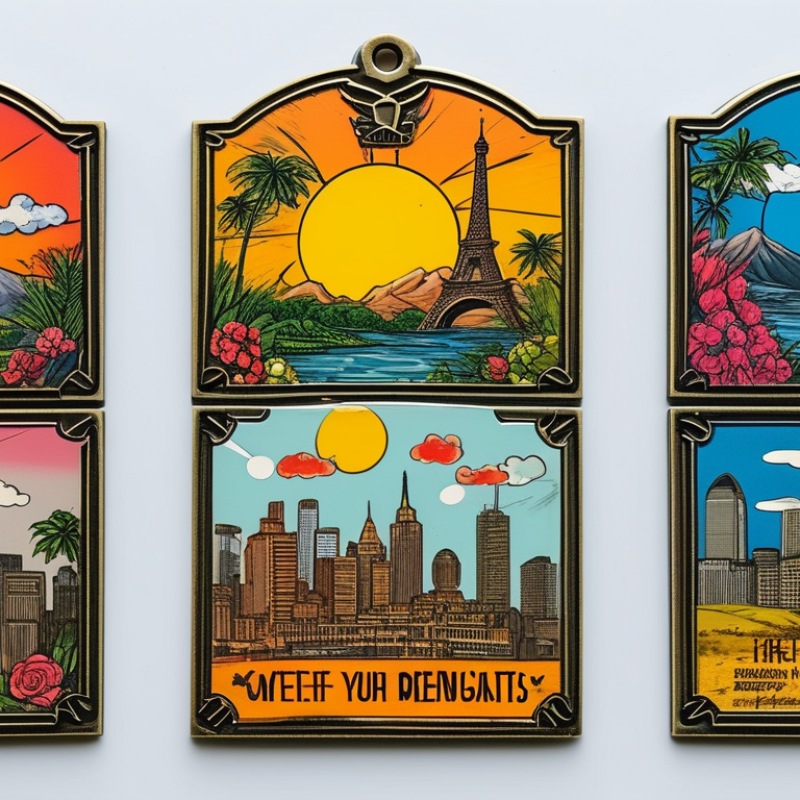
Understanding the Importance of Custom Badge Patches in Branding
Custom badge patches play a crucial role in brand identity. Businesses often overlook their impact. A study by the Promotional Products Association International states that 83% of people like receiving promotional products, such as badge patches. These patches can enhance visibility and recall for your brand. A well-designed patch communicates your message instantly.
Custom patches also foster a sense of community. They can unite employees and promote teamwork. According to a survey by the Incentive Research Foundation, 80% of participants felt more connected to their organization when wearing custom apparel or accessories. This connection can lead to higher employee satisfaction and retention.
However, creating effective badge patches is not without challenges. It's essential to balance creativity with simplicity. Overly complex designs can confuse potential customers. Gathering feedback early in the design process will help identify potential issues. Emphasizing quality is critical; low-quality patches can reflect poorly on your brand. Addressing these details ensures that your patches will enhance your business identity effectively.
Identifying the Key Components of Effective Badge Patch Design
When designing custom badge patches, every detail matters. Key components include aesthetics, functionality, and emotional appeal. Selecting colors that reflect your brand is crucial. Aim for colors that resonate with your target audience. Balance bold colors with subtle tones for visibility and impact.
Tip: Use vector graphics for designs. This ensures clarity and scalability without losing quality. The size and shape of the patch should also match its intended use. Consider whether it will be worn on uniforms, bags, or as decorative items. This influence can affect your design choices significantly.
Another important aspect is the choice of materials. Different fabrics give distinct looks and feels. Also, durability matters. Ensure the materials can withstand wear and tear without losing their essence. Think about the stitching techniques too. They not only affect durability but also add a layer of design complexity.
Tip: Test your designs before final production. Gather feedback to see if it resonates with your audience. Sometimes, what looks good on paper doesn't translate well in reality. It’s essential to find a balance between creativity and functionality, leading to patches that truly represent your brand identity.
Choosing Materials and Techniques for Durable Badge Patches
When designing custom badge patches, the choice of materials is crucial. You want patches that withstand daily use. Fabrics like twill and canvas are popular for their durability. They provide a sturdy base, allowing designs to last longer. However, consider the climate where the patches will be used. Harsh conditions can wear down certain fabrics quickly.
Tips: Always request samples before placing a large order. This helps you gauge material quality. Look for fabrics that are water-resistant when applicable. High-quality thread is equally important. Threads that fade or fray tarnish the overall appearance.
Techniques also influence the durability of your badge patches. Embroidery gives a premium look. It enhances longevity by securing the design tightly. Heat transfer is another method, though it may not be as durable. Invest in professional digital embroidery machines for better precision. Experiment with different stitching styles for unique textures.
Tips: Test various techniques to see how they hold up. Compare the longevity of embroidered versus heat-pressed designs. Each method offers its own pros and cons, so assess based on your needs.
Incorporating Brand Colors and Logos into Patch Designs
Custom badge patches can enhance your brand identity. They serve as a wearable advertisement, promoting your business effectively. According to a recent study, 85% of people remember the brands they see on clothing, highlighting their marketing power.
Incorporating your brand colors and logos into patch designs is crucial. Consistent use of colors strengthens brand recognition by 80%. For effective design, keep your logo simple and recognizable. Avoid intricate patterns that distract from your brand message.
Tips: Choose a color palette that reflects your brand values. Limit the number of colors for a cleaner look.
Additionally, consider patch size. Larger patches can display more details but might overshadow a delicate design. Experiment with various shapes as they can leave a memorable impression. Regularly seek feedback on designs to ensure they resonate with your audience. Imperfections might reveal areas for improvement and inspire fresh ideas.
Custom Badge Patch Design Popularity by Category
Evaluating Cost-Effectiveness and Production Methods for Custom Patches
When considering custom badge patches for your business, evaluating cost-effectiveness is crucial. Factors like material choice and design complexity impact overall expenses. Simple designs can lead to lower costs, while intricate patterns may require more resources. Exploring bulk production options could also offer savings, but be mindful of maintaining quality.
Production methods significantly influence both cost and effectiveness. Depending on your design, techniques like embroidery or printing have their pros and cons. Embroidery provides longevity and a premium feel, but costs can escalate with complex designs. On the other hand, screen printing is often more affordable, yet it may lack the durability of embroidered patches.
It's essential to weigh your branding goals against these factors. Consider how the patches represent your business identity. The right balance of cost and quality will reflect your commitment to excellence. It’s a process that requires thoughtful iteration and constant improvement. Engaging a professional designer might seem like an added expense, but their expertise often yields better results.
How to Design Custom Badge Patches for Your Business Needs? - Evaluating Cost-Effectiveness and Production Methods for Custom Patches
| Production Method | Cost per Unit | Minimum Order Quantity | Lead Time | Best Use Case |
| Embroidery | $4.50 | 50 | 3 weeks | Uniforms, Workwear |
| Sublimation | $3.00 | 25 | 2 weeks | Promotional Events |
| Woven Patches | $1.80 | 100 | 4 weeks | Merchandising |
| PVC Patches | $2.50 | 50 | 3 weeks | Outdoor Gear |
