How to Choose PU Leather Material in 2026?
Choosing the right Pu Leather Material in 2026 requires more than comparing colors and prices. A soft surface may look premium in a showroom, yet crack after months of bending. A strong grain may resist abrasion, but feel too plastic for daily use. Real performance depends on the coating, fabric backing, thickness, finish, and intended application.
Start with the product’s working conditions. A handbag needs flexible edges and reliable stitching. A vehicle seat requires heat resistance, abrasion protection, and stable color. Upholstery may face body oils, cleaning sprays, sunlight, and repeated pressure. Ask suppliers for technical data, batch information, and test results. Useful checks include thickness tolerance, peel strength, tensile strength, hydrolysis resistance, colorfastness, and surface abrasion. Independent laboratory reports provide stronger evidence than attractive samples alone.
Small details matter.
In 2026, buyers are also examining recycled content, lower-emission production, water-based coatings, and traceable supply chains. These claims should be verified through clear documentation, not accepted from marketing language alone. A recycled backing can sound responsible, but its actual durability still needs testing. The most sustainable choice is not always the cheapest or newest material. It should perform for its expected service life and avoid early replacement.
This guide explains how to compare Pu Leather Material with practical judgment. It considers appearance, touch, construction, safety documentation, maintenance, cost, and long-term reliability. Some recommendations may need adjustment because climates, factories, and user habits differ. That uncertainty matters. Test samples under realistic conditions before approving a full production order.
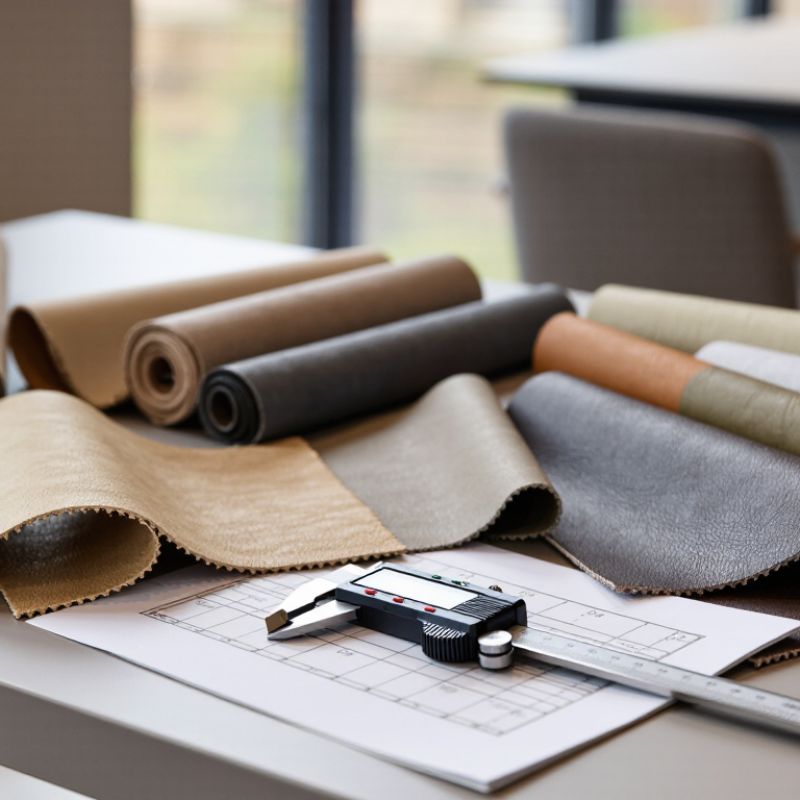
Understand PU Leather Types and Core Material Properties
When choosing PU leather in 2026, identify its structure before judging its surface. PU leather usually combines a textile backing with a polyurethane coating. Dry-process PU gives a smoother, firmer finish. Wet-process PU creates micro-porosity and better softness. Microfiber-backed PU offers stronger tear resistance and a more leather-like hand feel.
Core properties matter more than appearance. Check coating thickness, substrate density, hydrolysis resistance, abrasion cycles, flex performance, and colorfastness. A thick coating may look durable, but it can crack when repeatedly folded. Breathability also depends on the backing and pore structure, not only the PU layer. Grand View Research reported steady growth in the global PU leather market through 2030, while MarketsandMarkets has linked demand growth to automotive, furniture, and footwear applications. These reports suggest wider use, but market growth does not guarantee equal quality.
Tips: Request a technical data sheet and production sample. Test the material after bending it 20,000 times. Inspect peeling around stitched edges. For humid interiors, prioritize hydrolysis testing above glossy appearance. Water-based PU can reduce solvent use, yet performance still depends on formulation and curing. The greener label is not always the stronger material. Ask for measured results, not broad claims. One weakness remains easy to miss: suppliers may report different test methods. Compare standards carefully before selecting a roll.
Assess Safety, Sustainability, Certifications, and Supplier Reliability
Choosing PU leather in 2026 requires more than checking color, grain, and price. In factory sampling, I have learned that a soft surface can hide weak backing, heavy odor, or unstable coating. Ask for the technical data sheet and a production sample. Check thickness, peel strength, flex resistance, abrasion results, and hydrolysis performance. These details show how material behaves on a real chair, bag, or shoe. A sample is not enough. Test it after heat, moisture, and repeated bending.
Safety evidence should be specific, current, and traceable. Request restricted-substance test reports from an independent laboratory. Verify batch numbers, test methods, and report dates. Look for evidence covering harmful solvents, heavy metals, plasticizers, and formaldehyde where relevant. “Low odor” is only a sensory claim. It is not proof. Sustainability needs equal discipline. Ask about recycled content, energy use, wastewater controls, and end-of-life limits. A recycled percentage without verification can mislead. I would record every claim and mark uncertain data clearly.
Certifications can strengthen confidence, but their scope matters. Check the certificate holder, covered product, validity period, and auditing body. Do not accept a logo alone. Supplier reliability also appears in small actions: clear answers, stable lead times, retained samples, and written corrective plans. Request a traceability procedure from raw material to shipment. Visit the facility when possible, or arrange a qualified third-party audit. I once trusted a polished sample too quickly; later batches showed shade variation. That mistake changed my process. Keep a second-source option, even when cooperation feels smooth.
How to read this chart: The 100-point evaluation model prioritizes chemical safety and documented material testing, followed by environmental management, recycled-content traceability, supplier quality systems, and production traceability. Buyers should verify current test reports, certificates, scope, validity dates, and chain-of-custody records before approving a PU leather material.
Reference framework: EU REACH requirements for substances of concern, ISO 14001 environmental management systems, ISO 9001 quality management systems, recycled-content chain-of-custody principles, and textile/leather chemical safety testing practices. The percentages represent a transparent purchasing scorecard weighting, not company or brand performance data.
Balance Material Cost and Quality Before Making the Final Choice
How to Choose PU Leather Material in 2026?
Balancing cost and quality starts with the product’s actual use. A handbag handle needs stronger abrasion resistance than a decorative wall panel. Textile Exchange reported that global fiber production reached 132 million tonnes in 2023. This scale increases material options, but it also makes vague sustainability claims harder to trust. Ask for thickness, coating composition, tensile strength, hydrolysis resistance, and test conditions. Do not compare price alone.
A practical buying check uses samples, not brochures. Rub the surface with a dry cloth, bend it repeatedly, and inspect the backing after heat exposure. For seating, Martindale abrasion results can reveal whether a low-cost surface will fail quickly. Grand View Research identifies automotive and upholstery as important synthetic leather applications, where durability directly affects replacement costs. A cheaper roll may save 8% initially, then create higher waste through edge cracking and color inconsistency.
Supplier testing still needs independent verification. Request batch records, restricted-substance documentation, and a third-party performance report. PU quality can vary between production lots. It happens. Also examine the substrate: recycled polyester may reduce virgin input, but its strength and coating adhesion must be measured. Textile Exchange’s 2024 Materials Market Report shows recycled fibers remain a minority of global production, so availability and price can shift. My imperfect rule is simple: pay more where failure is visible, frequent, or expensive. Keep savings for hidden components.
How to Choose PU Leather Material in 2026? - Balance Material Cost and Quality Before Making the Final Choice
| PU Leather Material Option | Typical Construction | Typical Thickness
(mm) | Indicative Material Cost
(USD/m²) | Abrasion Resistance
(Martindale cycles) | Hydrolysis Resistance
(hours) | Weight
(g/m²) | Best-Fit Application | Value Rating |
| Standard Polyester-Backed PU | PU surface coating on woven polyester backing | 0.70–1.00 | $2.50–$5.50 | 20,000–40,000 | 100–300 | 450–650 | Decorative panels, light-use furniture, bags and low-cost accessories | Good |
| High-Density Polyester-Backed PU | Thicker PU film with compact woven or knitted polyester backing | 0.90–1.30 | $4.50–$8.00 | 40,000–80,000 | 300–500 | 600–850 | Residential upholstery, office seating and frequently handled products | Very Good |
| Microfiber-Based PU | Fine microfiber nonwoven substrate with a dense PU finishing layer | 0.90–1.50 | $7.00–$14.00 | 60,000–100,000+ | 500–1,000 | 750–1,100 | Automotive interiors, premium seating, footwear and heavy-use upholstery | Excellent |
| Water-Based or Solvent-Free PU | PU coating manufactured with reduced solvent use or solvent-free processing | 0.80–1.30 | $5.00–$10.00 | 30,000–70,000 | 300–700 | 550–900 | Indoor furniture, bags and projects prioritizing lower VOC emissions | Very Good |
| Recycled-Content PU | PU system incorporating verified recycled polyester or recycled PU content | 0.80–1.30 | $4.50–$9.00 | 30,000–70,000 | 200–600 | 550–900 | Projects with recycled-content targets, provided performance testing is passed | Good |
| Flame-Retardant PU | PU material with flame-retardant additives and tested backing construction | 0.90–1.40 | $6.00–$12.00 | 30,000–80,000 | 300–700 | 650–1,000 | Public seating, hospitality, transport and regulated interior applications | Very Good |
| Bio-Based PU Blend | PU formulation containing partially bio-based feedstock; performance depends on blend ratio | 0.80–1.30 | $6.00–$13.00 | 30,000–70,000 | 200–600 | 550–900 | Sustainability-focused products where documented bio-based content is required | Good |
Procurement note: Cost ranges are indicative bulk-material ranges in USD per square metre and vary with order volume, surface finish, color, backing, testing requirements and logistics. Abrasion and hydrolysis figures are typical target ranges, not guarantees. Request a current technical data sheet and independent test reports before final approval.
