Choosing Nail Glue Stickers for your business requires more than comparing prices or attractive packaging. Your customers expect secure application, comfortable wear, and clean removal. Retailers also need dependable stock, clear instructions, and consistent quality across every batch. Small details matter. A sticker that lifts at the corner can damage trust quickly.
This guide examines the practical factors behind a reliable purchasing decision. We will consider adhesive strength, nail shape, flexibility, sizing, storage, packaging, and supplier communication. Material claims should be supported by technical documents and realistic product testing. Ask suppliers about manufacturing standards, ingredient information, shelf life, and quality-control procedures. A professional supplier should answer clearly, not avoid specific questions. Testing reveals weaknesses. Apply samples to different nail types, then observe them after washing hands, working, and sleeping.
No product fits every customer. Some users prefer strong adhesion for busy days, while others need gentle removal for occasional use. Nail length, natural nail condition, climate, and application technique can change performance. Business owners should record these differences instead of trusting one impressive sample. I have found that attractive results on the first day may not predict customer satisfaction after a week. That is an important limitation.
The right choice balances performance, safety information, customer expectations, and profit margins. It should also support honest marketing without exaggerated promises. By reviewing evidence, gathering feedback, and improving your selection process, you can build a more dependable nail product range. Mistakes may happen. Careful evaluation makes them less costly.
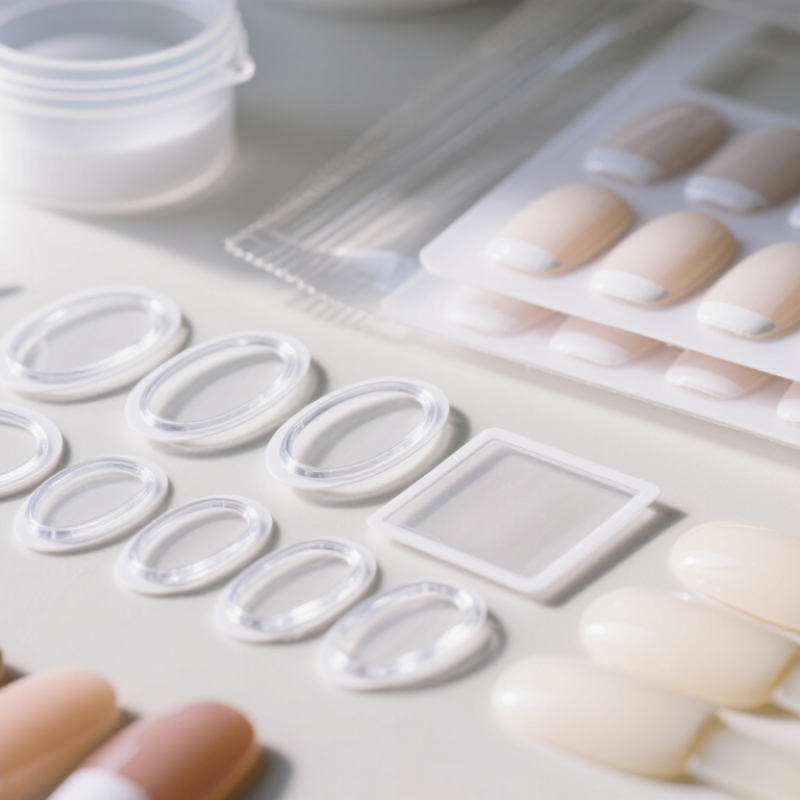
Nail glue stickers are thin adhesive tabs or pre-cut nail wraps that attach artificial nails to the natural nail. Most use pressure-sensitive adhesive, which bonds through contact and steady pressure rather than chemical curing. Some products include liquid nail glue, usually based on cyanoacrylate, for a stronger but less flexible bond. The difference matters for businesses. Adhesive tabs are cleaner and easier to remove, while liquid glue often supports longer wear but demands better application control.
Market data supports continued interest in convenient nail care. Grand View Research estimated the global nail care products market at about USD 23.7 billion in 2023, with growth expected through 2030. Another industry review by Mordor Intelligence identifies convenience and at-home beauty routines as important market drivers. These figures do not prove that every sticker product will succeed. They show opportunity, not certainty.
A reliable selection process should examine adhesion, flexibility, thickness, removal time, and storage stability. In practical testing, place one sticker on a clean, dry nail and press firmly for 20 to 30 seconds. Check the edges after washing hands and wearing gloves. Small gaps invite lifting. Very thin tabs may feel natural but can fail on oily nails. Thicker tabs may last longer, yet look less seamless.
One weakness remains: laboratory wear tests rarely match real customer behavior. Businesses should record complaints, temperature exposure, and average wear time before choosing a supplier. Safety instructions and ingredient documentation should also be reviewed carefully.
How to Choose Nail Glue Stickers for Your Business?
Which Nail Glue Sticker Types Suit Your Business?
Your customer profile should guide the sticker type. Adhesive tabs suit beginners, short events, and customers who want quick removal. They are thin, clean, and easy to apply with a small wooden stick. However, they may loosen after handwashing or oily-skin contact. That limitation matters.
Pre-cut gel glue stickers offer stronger contact and a smoother finish. They work well for press-on nail services, gift sets, and retail packages. Choose several sizes, not only one standard shape. A poor fit creates visible edges and weak adhesion. I have seen customers press the nail for ten seconds, then blame the product. Application instructions still matter.
Liquid nail glue stickers, or glue-backed systems, suit longer-wear services. They usually need careful placement and controlled pressure. Check drying time, residue, odor, and removal instructions before purchasing. Grand View Research reported that the global nail polish market reached about USD 15.6 billion in 2023, with continued growth expected through 2030. This broader nail-care trend supports demand, but it does not guarantee sticker sales. Fortune Business Insights also identifies convenience and at-home beauty as major press-on nail growth factors. Test samples on different nail widths, humidity levels, and daily routines. The cheapest option may create more returns. Sometimes, the “strongest” adhesive is not the best customer choice.
| Nail Glue Sticker Type | Typical Wear Time* | Best For | Main Advantages | Limitations | Application Time | Removal Method | Business Suitability |
|---|---|---|---|---|---|---|---|
| Standard Double-Sided Adhesive Tabs | 1–3 days | Occasional wear, events, travel, and short-term nail styling | Easy to apply; no liquid glue; low odor; convenient for beginners | Less resistant to prolonged water exposure, oil, and heavy impact | About 5–10 minutes | Gently lift from the side and remove with an orange wood stick; avoid forceful pulling | Suitable for entry-level kits, seasonal collections, and low-price retail products |
| Thick or Cushion Adhesive Tabs | 2–5 days | Slightly curved nails, reusable press-on nails, and customers seeking added comfort | Fills small gaps between the natural nail and artificial nail; improves cushioning and fit | Thicker profile may be visible on very short nails; may not suit tight-fitting designs | About 5–12 minutes | Soften the edge with warm water or oil, then lift gradually from the side | Suitable for comfort-focused products and reusable press-on nail systems |
| High-Tack Adhesive Tabs | 3–7 days | Regular wear, retail customers, and short-term salon services | Stronger initial grip than standard tabs; clean application without curing lamps | Removal can be more difficult; performance decreases when nails are oily or damp | About 8–15 minutes | Apply cuticle oil or warm soapy water and loosen the adhesive gradually | Suitable for mid-range kits, subscription boxes, and frequent-use customers |
| Pre-Cut Full-Coverage Adhesive Sheets | 2–6 days | Standardized nail sizes, fast retail application, and private-label nail sets | Consistent coverage; fast packing and application; reduces manual cutting | Sizing may not match every nail shape; unused portions may create waste | About 5–10 minutes | Lift slowly from the side after softening with warm water or oil | Suitable for high-volume packaging, gift sets, and standardized product lines |
| Ultra-Thin Clear Adhesive Tabs | 1–4 days | Minimalist nail designs, short nails, and customers preferring a natural appearance | Low visibility; smooth finish; works well under thin or transparent press-on nails | Provides less gap-filling and may have lower resistance to impact and moisture | About 5–10 minutes | Loosen with oil or warm water and remove slowly without pulling the natural nail | Suitable for premium-looking designs, photography kits, and natural-style collections |
| Reusable Adhesive Tabs | 1–3 days per application | Reusable press-on nails, fashion accessories, and customers who change designs frequently | Supports repeated use of the artificial nail when removed carefully; reduces product waste | Requires careful removal and cleaning; adhesion may decline after repeated use | About 5–12 minutes | Lift gently from the side and clean residue from the artificial nail before storage | Suitable for sustainable product concepts, premium kits, and interchangeable nail collections |
| Water-Resistant Adhesive Tabs | 3–7 days | Customers with active lifestyles and products marketed for everyday wear | Improved resistance to brief hand washing and everyday moisture compared with basic tabs | Not fully waterproof; long soaking, oil, heat, and household chemicals can reduce wear time | About 8–15 minutes | Use oil or warm water to soften the adhesive before gradual removal | Suitable for everyday-wear ranges and products positioned above basic temporary use |
*Typical wear time varies according to nail preparation, natural nail condition, adhesive quality, nail size, application pressure, water exposure, oil, heat, and daily activity. Customers should follow the product’s application and removal instructions and stop use if irritation occurs.
Choosing nail glue stickers requires more than checking a low price. Grand View Research’s 2024 nail care market report projects a 5.2% compound annual growth rate through 2030. That growth increases pressure on suppliers to prove product performance. Request peel-strength results, adhesive composition, batch numbers, and storage conditions. A reliable sticker should feel flexible, not brittle. Its edges should remain flat after application. Test samples on clean artificial nail tips for seven to ten days.
Durability needs practical testing. Expose samples to hand washing, mild soap, body heat, and repeated bending. Record lifting, whitening, odor, and residue each day. My own trial notes can reveal patterns, but they are not laboratory evidence. Use independent testing when making strong claims. Adhesion alone is not quality.
Safety deserves stricter attention. The U.S. Food and Drug Administration warns that nail adhesives may contain cyanoacrylates, which can bond skin quickly and cause irritation. A 2023 review in Contact Dermatitis also identified acrylates as important occupational allergens in nail professionals. Check the safety data sheet, ingredient disclosure, warning labels, and removal instructions. Avoid products with unclear curing directions or exaggerated “non-toxic” claims. Test on a small area first. Even careful screening can miss individual sensitivity. Suppliers should keep complaint records and trace each batch, because one weak adhesive layer can damage customer trust.
When choosing nail glue stickers for your business, packaging deserves as much attention as adhesion. A practical package should protect each sticker from dust, heat, and moisture. Individual release sheets help prevent pieces from touching or curling. Resealable pouches work well for small retail packs. Rigid boxes offer better shelf presence, but they increase shipping weight.
Consider the customer’s daily use. A clear size chart can reduce application mistakes and product returns. Include nail widths, preparation steps, removal guidance, and storage conditions. Keep the instructions readable. Tiny text looks affordable, not professional. A small applicator, alcohol wipe, or wooden stick can improve the experience, if the added cost remains reasonable.
Customization can include colors, patterns, finishes, inserts, and package shapes. Matte surfaces feel modern, while glossy coatings highlight bright designs. Use consistent measurements across every size option. Test printed colors under store lighting before approving a large order. Colors can shift unexpectedly. I once underestimated how much a dark insert affected the appearance of transparent stickers. That detail needed another review. Custom packaging should also leave space for batch information, material details, and customer support contacts. These details strengthen traceability and make the product feel dependable.
Supplier comparison should begin with product performance, not the lowest quoted price. Request samples from several manufacturers and test them on different nail shapes. Check application time, adhesion, removal comfort, and residue after use. Samples reveal more. Record results in a simple comparison sheet. Include adhesive size, backing material, packaging quality, and storage instructions. A reliable supplier should explain testing methods and provide consistent batch information.
Cost comparison requires more than the unit price. Calculate the full landed cost, including sample fees, tooling, packaging, shipping, taxes, and possible inspection charges. Ask whether the quotation changes at different order quantities. Review the minimum order quantity carefully. A low price may become expensive when excess stock sits in storage. I once underestimated packaging costs by focusing only on the sticker price. That mistake changed the way I review quotations.
Order requirements should match your sales pattern and cash flow. Confirm production lead time, reorder flexibility, payment stages, and replacement policies for damaged goods. Ask how the supplier handles color, size, and adhesive variations between batches. Keep written specifications with approved samples. Do not guess. A small difference in adhesive strength can create customer complaints. Suppliers should communicate clearly and respond with practical evidence, not vague promises. Test a limited commercial order before committing to larger volumes, although this may slow launch plans. Reliability sometimes costs more at the beginning.