Archives


2026 Top Tactical Winter Jacket Types for Global Buyers

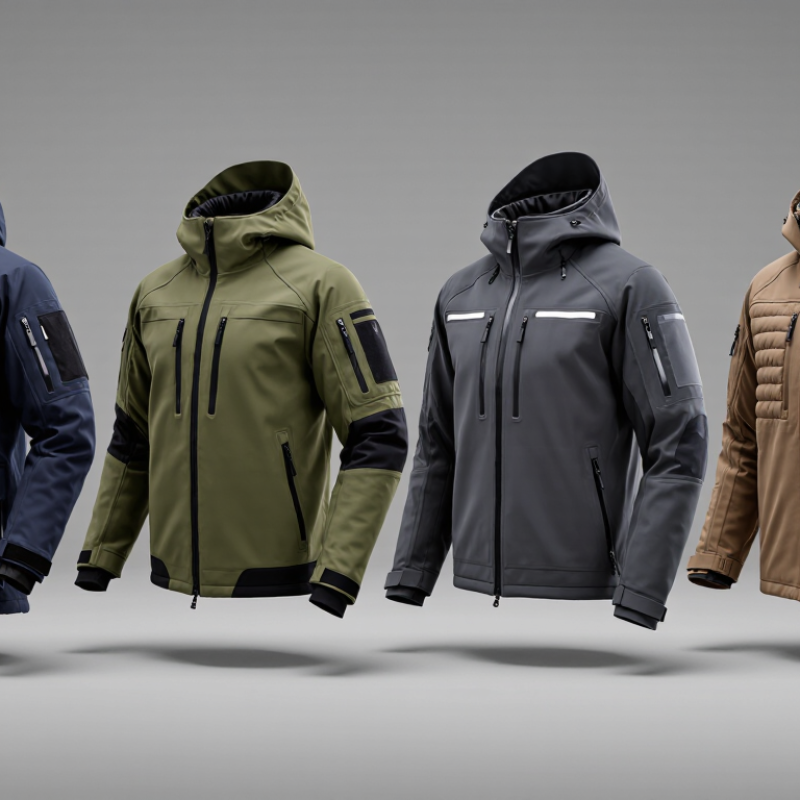
Choosing the right Tactical Winter Jacket in 2026 requires more than comparing insulation ratings or attractive product photographs. Global buyers must examine climate, movement, fabric performance, sizing, and supply reliability. A jacket suitable for a cold European warehouse may feel too heavy in a damp coastal region. A lighter design may fail during prolonged outdoor work. Small details matter, including storm flaps, adjustable cuffs, breathable membranes, reinforced elbows, and pockets that remain usable with gloves.

Dr. Roger Barker, a respected clothing-physiology researcher, emphasizes a practical principle: “Effective clothing must manage heat and moisture, not simply add warmth.” This view remains important for buyers evaluating insulated parkas, soft-shell jackets, waterproof cold-weather systems, and layered tactical designs. Warmth alone can create discomfort when sweat stays trapped against the body. Nobody wants that.

This guide examines the leading Tactical Winter Jacket types expected to influence global purchasing decisions in 2026. It considers insulation choices, shell construction, mobility, maintenance, and climate-specific performance. It also addresses wholesale consistency, certification expectations, and long-term durability. These factors often receive less attention than color and styling, yet they shape real operating costs. A jacket can look impressive on a product page and disappoint after repeated washing. That possibility deserves honest attention.

The strongest buying decision may not involve the thickest jacket. It may involve a balanced system that protects against wind, rain, cold, and overheating. Still, no design fits every user. Conditions vary, and product claims require careful verification.
2026 Top Tactical Winter Jacket Types for Global Buyers

Definition and Role of Tactical Winter Jackets in 2026

A tactical winter jacket is a cold-weather outer layer designed for protection, movement, and organized carrying. It usually combines an insulated body, weather-resistant fabric, adjustable cuffs, and reinforced areas. Its role extends beyond warmth. It helps workers, outdoor professionals, and prepared travelers stay functional in wind, snow, and wet conditions.

In 2026, global buyers should assess jackets by climate, activity, and layering needs. A jacket suitable for dry mountain cold may feel uncomfortable in humid coastal weather. Practical evaluations should examine seam quality, zipper operation with gloves, pocket access, and insulation performance after repeated washing. Fit still matters. A stiff shoulder or excessive bulk can reduce safe movement. The best pocket layout is not always the largest one. Poorly placed storage can create pressure points while sitting or climbing.

Experienced buyers should also verify material claims through test reports and clear care instructions. Water resistance can weaken over time. Insulation can compress. That gap matters. A durable jacket should balance warmth with breathability, since trapped sweat can make the wearer colder later. No design solves every climate problem. Careful buyers may need to reconsider fashionable features that add weight without improving daily performance. In real use, a simple, well-fitted jacket often proves more dependable than an overbuilt model.

Main Types of Tactical Winter Jackets for Different Missions

2026 Top Tactical Winter Jacket Types for Global Buyers

Main Types of Tactical Winter Jackets for Different Missions

Tactical winter jackets should match the mission, not only the temperature. For stationary observation, choose an insulated parka with a longer hem, adjustable hood, and wind-resistant fabric. It protects the lower back during long periods outdoors. Mobile patrols need lighter soft-shell or hybrid jackets. Stretch panels improve movement, while synthetic insulation dries faster after sweat. Wet, cold environments require a waterproof shell over a removable insulated layer. This system adapts better than one heavy jacket.

For vehicle crews and urban teams, compact insulated jackets reduce bulk around seats and harnesses. Extreme cold missions demand higher loft, face protection, and reliable cuff sealing. ISO 11079 evaluates required clothing insulation, or IREQ, using activity level and weather conditions. That matters because a motionless worker loses heat differently from a moving worker. EN 342 also measures thermal insulation and air permeability. A warmth claim without test conditions is weak evidence. A perfect chart can still fail in rain.

Tips: Check insulation weight, seam construction, and zipper operation with gloves. Review moisture management, not just fill power. OSHA’s Cold Stress Guide identifies hypothermia, frostbite, trench foot, and chilblains as key cold hazards. Fit remains imperfect. Test the jacket with the exact base layers and equipment used in the field.

2026 Top Tactical Winter Jacket Types for Global Buyers

Main Types of Tactical Winter Jackets for Different Missions

This comparison uses common procurement benchmarks for tactical outerwear. The temperature figures represent typical lower operating limits when the jacket is correctly layered and fitted; actual performance varies with insulation weight, wind, humidity, activity level, and base layers. Modular parkas and waterproof insulated parkas are generally preferred for prolonged exposure to severe cold, while softshell and fleece-lined jackets suit active missions in milder winter conditions.

Key Materials, Insulation Systems, and Weatherproof Features

2026 Top Tactical Winter Jacket Types for Global Buyers

A dependable winter jacket starts with the shell material. Three-layer laminate fabrics provide strong wind protection while allowing moisture vapor to escape. Woven nylon and polyester offer abrasion resistance for demanding outdoor work. However, fabric performance changes with coating quality, seam construction, and washing habits. I have seen excellent materials fail because water entered through poorly sealed zippers.

Insulation systems should match the buyer’s climate and activity level. Synthetic fill remains practical in humid regions because it dries faster than many natural fibers. Down offers impressive warmth with low weight, but it needs careful moisture control. Hybrid jackets combine insulated panels with stretch areas, improving movement around the shoulders and elbows. A jacket can feel warm in a warehouse yet become uncomfortable during active travel. That detail is easy to miss.

Tips: Check the fill weight, not only the insulation name. Examine taped seams, storm flaps, adjustable cuffs, and hood coverage. For wet climates, test whether the outer fabric maintains water resistance after repeated washing. For colder markets, prioritize a longer cut and a high collar. Do not assume maximum insulation is always better; excessive warmth can cause sweating and later chilling. Regional field testing remains valuable, even when laboratory ratings look convincing.

2026 Top Tactical Winter Jacket Types for Global Buyers - Key Materials, Insulation Systems, and Weatherproof Features

Jacket Type Typical Shell Materials Insulation System Weatherproof Features Indicative Waterproof Rating Indicative Comfort Range Best Applications
Softshell Tactical Jacket Stretch-woven polyester or nylon with elastane; brushed fleece backing is common. Light fleece or grid-fleece lining; generally non-bulky and breathable. Durable water-repellent finish, adjustable cuffs, hem drawcord, high collar, and multiple utility pockets. Usually water-resistant rather than fully waterproof; performance varies by fabric and seam design. Approximately 5°C to 15°C with suitable layering. Active patrols, hiking, field work, and mixed-weather outdoor operations.
Insulated Softshell Jacket Wind-resistant polyester or nylon outer fabric with a stretch construction. Synthetic polyester insulation, commonly in the 60–120 g/m² range, with fleece or lightweight lining. Wind-resistant face fabric, DWR treatment, insulated collar, storm flap, and articulated sleeves. Light to moderate rain resistance; a separate waterproof shell may be needed in prolonged rain. Approximately -5°C to 10°C, depending on activity and base layers. Cold-weather mobility, security work, travel, and everyday outdoor use.
Waterproof Hardshell Jacket Two- or three-layer nylon or polyester laminate with a waterproof-breathable membrane. Usually uninsulated; designed to accommodate fleece, synthetic, or down mid-layers. Fully taped seams, waterproof zippers or storm flaps, adjustable hood, pit zips, and hem sealing. Commonly 10,000–30,000 mm water-column fabric ratings, subject to construction and testing method. Approximately -5°C to 12°C with appropriate insulation layers. Heavy rain, wet snow, mountain operations, and extended exposure to precipitation.
Synthetic-Insulated Field Parka High-density nylon or polyester shell, often with a ripstop weave. Continuous-filament or staple polyester insulation, commonly 100–200 g/m². Windproof construction, water-repellent coating, insulated hood, storm cuffs, and extended hem. Typically water-resistant to weatherproof, depending on membrane, coating, and seam taping. Approximately -10°C to 5°C with moderate activity. Static outdoor duty, winter logistics, cold urban environments, and worksite protection.
Down-Insulated Tactical Jacket Lightweight nylon or polyester ripstop with a tightly woven, down-resistant construction. Waterfowl or other natural down, commonly specified by fill power; baffles help retain loft. DWR-treated shell, draft collar, adjustable hem, internal cuffs, and reinforced high-wear zones. Generally water-resistant; prolonged wet conditions can reduce down loft and warmth. Approximately -10°C to 5°C, depending on fill weight, activity, and layering. Low-weight cold-weather layering, stationary duty, and dry winter climates.
Extreme-Cold Expedition Parka Windproof coated nylon or polyester outer shell with reinforced panels in abrasion-prone areas. High-loft down or high-fill synthetic insulation, often combined with multiple baffle zones. Insulated hood, face guard, long cut, snow skirt, storm flap, windproof cuffs, and adjustable waist. Weatherproof outer construction; exact waterproof performance depends on laminate, coating, and seam sealing. Approximately -20°C to -5°C for low-activity use with suitable base layers. Arctic work, high-altitude environments, winter rescue, and prolonged cold exposure.
3-in-1 Modular Winter Jacket Waterproof-breathable nylon or polyester outer shell paired with a fleece or insulated inner jacket. Removable fleece, synthetic insulation, or hybrid inner layer for adjustable warmth. Layer attachment points, taped outer seams, adjustable hood, storm flap, and multiple wearing configurations. Often 5,000–20,000 mm for the outer shell, depending on fabric specification and testing standard. Approximately -10°C to 15°C by changing the inner and outer layers. Variable climates, uniform programs, travel, and buyers seeking year-round versatility.
High-Visibility Winter Work Jacket Fluorescent polyester outer fabric with reflective tape and abrasion-resistant panels. Quilted polyester or recycled polyester insulation, commonly 80–160 g/m². Water-repellent or waterproof shell, sealed or protected seams, storm cuffs, detachable hood, and reflective trim. Often 3,000–10,000 mm for commercial workwear designs; verify the product test report. Approximately -5°C to 10°C, depending on insulation and work intensity. Road maintenance, construction, transport, utilities, and low-light outdoor work.

Note: Waterproof ratings, insulation weights, and comfort ranges are indicative purchasing benchmarks. Actual performance depends on garment construction, fit, activity level, base layers, wind exposure, humidity, and the applicable laboratory testing method.

How to Choose Tactical Winter Jackets by Climate and Use

2026 Top Tactical Winter Jacket Types for Global Buyers

How to Choose Tactical Winter Jackets by Climate and Use

Choosing a tactical winter jacket starts with climate, not appearance. In dry, freezing regions, select strong insulation and a wind-resistant outer layer. Lightweight synthetic insulation dries faster after snow or light rain. In wet coastal climates, prioritize a breathable waterproof shell over excessive filling. High humidity can make thick insulation feel cold when moisture builds inside. For active outdoor work, choose articulated sleeves, adjustable cuffs, and two-way ventilation. For slower duties, heavier insulation may provide better comfort. A pocket-heavy design looks useful, but it can restrict movement.

Tips: Test the jacket with your usual base and mid-layers. Check sleeve length while reaching forward. Inspect zippers with gloves. Avoid cotton next to the skin. Small details matter.

Use also affects the best jacket type. Field workers may need reinforced elbows and quiet fabric for careful movement. Vehicle-based users may prefer a shorter cut and flexible insulation. Cold-weather travel requires a packable design, but compression can reduce loft over time. No jacket solves every condition. A compromise is normal. Practical testing in wind, damp air, and changing activity levels gives more reliable results than a product label. Reconsider the choice if your back becomes sweaty or your hands lose dexterity.

Global Buying Factors: Standards, Sizing, Pricing, and Supply Chains

2026 Top Tactical Winter Jacket Types for Global Buyers

For 2026, global buyers are comparing insulated field jackets, weatherproof shells, and modular three-layer systems. Each type serves a different climate and work pattern. Insulated jackets suit cold, dry regions, while shells perform better in wet, active conditions. Modular systems offer flexibility, but they usually require stricter quality control. Fit beats appearance.

Standards should match the destination market and intended use. Buyers may review thermal protection, water resistance, seam strength, material composition, and care-label requirements. EN 342 can support cold-protection evaluation, but it does not replace local compliance checks. Ask for current laboratory reports, production samples, and traceable test methods. A certificate without clear scope is weak evidence.

During sample fittings, measure sleeve reach, shoulder movement, hood adjustment, and space for base layers. Chest measurements alone often mislead. Asian, European, and North American size charts are not interchangeable.

Pricing depends on insulation weight, membrane construction, trims, testing, order volume, and packaging. A low quotation may hide higher inspection or freight costs. Request a detailed cost breakdown.

Supply chains also need practical review. Confirm fabric origin, zipper and filling availability, production capacity, inspection stages, and backup suppliers. Weather disruptions can delay fabric deliveries. Port congestion can extend lead times. A realistic buffer is necessary, though it may reduce price competitiveness. Perfect forecasting is impossible. Buyers should document assumptions and revisit them before each seasonal order.

Close
Enter your email address to receive special offers!
linkedin facebook pinterest youtube rss twitter instagram facebook-blank rss-blank linkedin-blank pinterest youtube twitter instagram