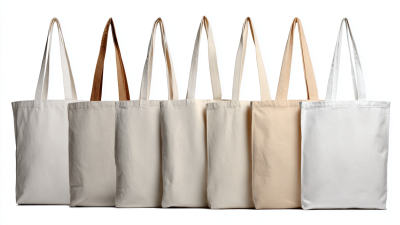
Reusable Canvas Tote Bags are moving from promotional giveaways into serious global procurement. Buyers now expect durability, traceable materials, and measurable environmental value. The global reusable bags market was valued at approximately USD 9.5 billion in 2023, according to Grand View Research. Its forecast also indicates steady growth through 2030. Canvas totes represent only part of this market, but their cotton construction supports strong branding and repeated use.
Demand is also shaped by wider packaging concerns. The United Nations Environment Programme reports that systemic action could reduce global plastic pollution by 80% by 2040. That finding does not make every tote automatically sustainable. A bag used once, shipped inefficiently, or made without supply-chain evidence may create limited benefits. This is where professional evaluation matters.
For 2026, global buyers should compare fabric weight, recycled or organic content, stitching strength, handle length, printing methods, and verified factory practices. The Global Organic Textile Standard and OEKO-TEX certifications can support material and chemical-safety claims, but certification scope must be checked carefully. Supplier audits, product testing, and shipment documentation remain essential.
Small details matter. A reinforced handle can prevent failure at a busy market. A washable surface can extend practical service life. A clear carton specification can reduce shipping waste. Still, cotton production can require substantial water and land resources. The International Trade Centre and textile sustainability studies encourage buyers to examine the full product life cycle, not only the fabric label. This guide reviews the 2026 market with that balanced view, combining commercial requirements, supplier experience, and evidence-based sustainability decisions. Some assumptions will need reconsideration. That is healthy procurement.
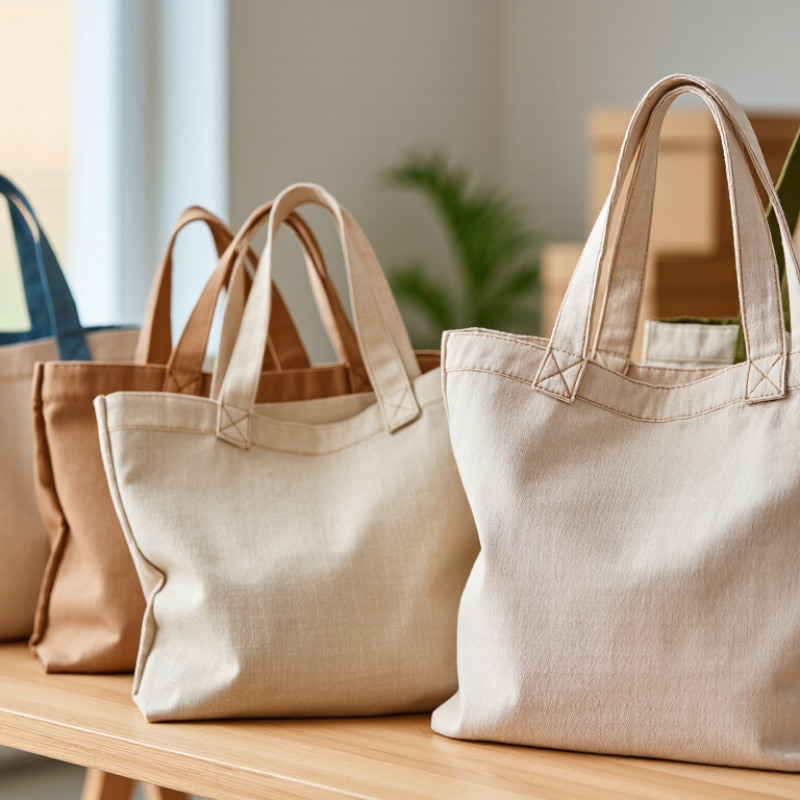
For global buyers, a reusable canvas tote must work beyond a product photograph. Its fabric should feel sturdy, yet remain comfortable during repeated carrying. A practical weight is often 8 to 12 ounces, depending on the intended load. Tighter weaving can reduce stretching and improve shape retention. Still, heavier fabric may raise shipping costs. That trade-off matters.
Experienced buyers should examine handle stitching, seam allowance, and bottom reinforcement. A tote holding books needs different construction from one carrying light groceries. Sample testing can reveal frayed edges, uneven handles, color transfer, or unpleasant odors. Ask for measurable details, not vague claims. Dimensions should include handle drop and usable interior space. A few centimeters can change comfort. Production documents should match the actual shipment, including material content and test records.
Suitability also depends on destination markets. Natural fibers may absorb moisture during sea transport, so protective packing deserves attention. Buyers should confirm care labels, carton strength, and consistent color across production batches. Clear artwork files and approved pre-production samples reduce avoidable disputes. However, even careful sampling has limits. Real users may carry more than planned. I would test a few bags with realistic loads and repeated handling before placing a large order. The result is not perfect. It is more honest.
| Rank | Reusable Canvas Tote Type | Typical Global Buyer Use | Common Canvas Construction | Typical Size | Approx. Capacity | Typical Fabric Weight | Handle Configuration | Typical Practical Load | Why It Suits Global Buyers |
|---|---|---|---|---|---|---|---|---|---|
| 1 | Standard Flat Grocery Tote | Retail Promotional Events | 100% cotton canvas; plain weave; uncoated | 38 × 42 cm; 2–3 cm gusset | Approx. 10–14 L | 140–180 g/m² | 62–70 cm webbing or self-fabric handles | Approx. 5–8 kg | A widely recognized format with low material complexity, compact shipping volume, and broad suitability for retail packaging and event distribution. |
| 2 | Heavyweight Gusseted Market Tote | Groceries Daily Shopping | 100% cotton canvas; reinforced bottom and side panels | 40 × 35 × 12 cm | Approx. 16–20 L | 280–340 g/m² | Reinforced 60–70 cm handles | Approx. 8–12 kg | The gusset improves standing capacity and packing efficiency, while the heavier fabric is suitable for repeated shopping use. |
| 3 | Long-Handle Shoulder Tote | Commuting Books Everyday Carry | Cotton canvas; medium-weight plain weave | 38 × 42 cm; flat base | Approx. 12–15 L | 220–280 g/m² | 70–80 cm shoulder handles | Approx. 6–9 kg | Long handles allow shoulder carrying and make the format practical across different climates, commuting habits, and clothing styles. |
| 4 | Recycled-Cotton Canvas Tote | Sustainability Programs Retail Campaigns | Recycled cotton blend; natural flecked appearance may occur | 38 × 42 cm; 2–8 cm gusset | Approx. 12–18 L | 180–300 g/m² | Cotton or recycled-polyester webbing | Approx. 5–9 kg | Supports recycled-content positioning and can reduce reliance on virgin cotton, but buyers should request verified recycled-content documentation. |
| 5 | Organic-Cotton Canvas Tote | Eco-Conscious Retail Premium Events | Certified organic cotton canvas; certification varies by supply chain | 38 × 42 cm; 2–8 cm gusset | Approx. 12–18 L | 180–300 g/m² | Self-fabric or cotton webbing handles | Approx. 5–9 kg | Suitable where organic-fiber claims are important; importers should confirm transaction certificates and the certification scope before making claims. |
| 6 | Zippered Canvas Shopper | Travel Work Essentials | Medium-to-heavy cotton canvas; metal or coil zipper closure | 40 × 35 × 10 cm | Approx. 14–18 L | 250–340 g/m² | 60–70 cm handles; optional shoulder strap | Approx. 7–10 kg | A closure helps protect contents during transport and storage, making it more adaptable to cross-border travel and commuting requirements. |
| 7 | Bottle-and-Grocery Divider Tote | Food Shopping Farmers' Markets | Heavy cotton canvas with stitched internal dividers | 38 × 28 × 18 cm | Approx. 18–22 L | 280–360 g/m² | Reinforced short handles; optional shoulder handles | Approx. 8–12 kg | Internal compartments help separate bottles and groceries, while the structured base improves stability during loading and unloading. |
| 8 | Drawstring Canvas Backpack Tote | Events Education Light Travel | Light-to-medium cotton canvas; drawstring closure | 35 × 45 cm; flat construction | Approx. 10–14 L | 140–220 g/m² | Adjustable cotton or polyester cords | Approx. 3–6 kg | Lightweight construction lowers shipping weight and enables hands-free carrying, although it is less suitable for heavy or rigid goods. |
| 9 | Foldable Packable Canvas Tote | Travel Retail Emergency Carry | Lightweight cotton canvas; compact fold design | 35–40 × 38–42 cm | Approx. 10–15 L | 120–180 g/m² | Short or long handles; fold-over fastening optional | Approx. 3–6 kg | Low folded volume can reduce storage and freight requirements, making it convenient for international distribution and secondary-use shopping. |
| 10 | Waxed or Water-Resistant Canvas Tote | Outdoor Retail Travel | Cotton canvas with wax or water-resistant surface treatment | 40 × 35 × 10–14 cm | Approx. 15–22 L | 300–450 g/m² | Reinforced handles; optional shoulder strap | Approx. 8–12 kg | Surface treatment can improve resistance to light moisture, but buyers should verify coating composition, care instructions, and destination-market chemical requirements. |
Specification note: Dimensions, capacity, fabric weight, and practical load figures are typical market ranges for reusable canvas tote constructions, not guaranteed performance ratings. Final suitability should be confirmed through pre-production samples, seam-strength testing, colorfastness testing, packaging review, and destination-market compliance checks.